


Overview of the Automotive Industry
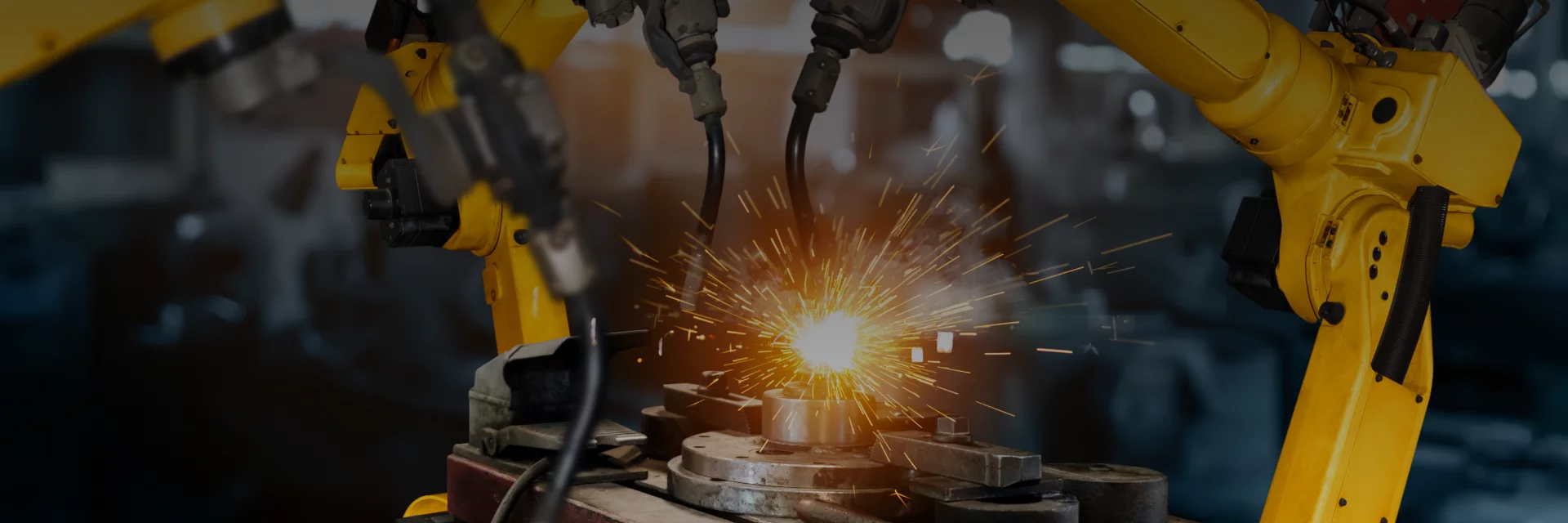
The company has developed a range of related technologies, including teach-free automatic positioning and welding systems, multi-layer multi-pass welding systems, automatic cutting systems, and omnidirectional welding positioning systems. Furthermore, by optimizing existing client production processes and integrating the automatic positioning and welding systems, the company has successfully achieved automated welding operations.
-

Flexibility
Staff will make a production analysis of the customer’s future production needs and goals. Material flow analysis and planning define the optimal configuration and layout for your site.
-

Rhythmicization
Remote repair service enables instant visual connection to the machine despite its geographical location.
-

Intelligentization
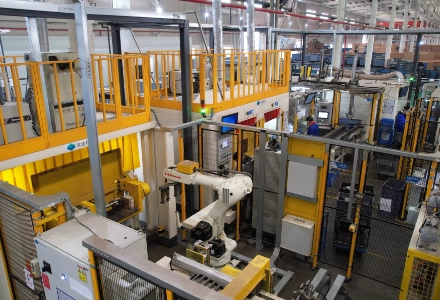
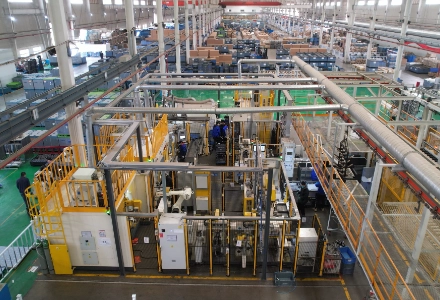
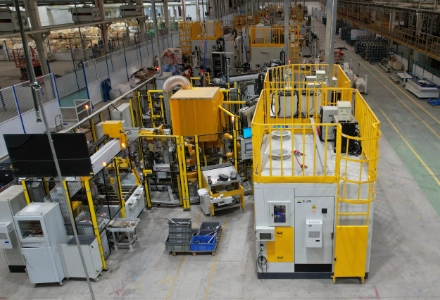
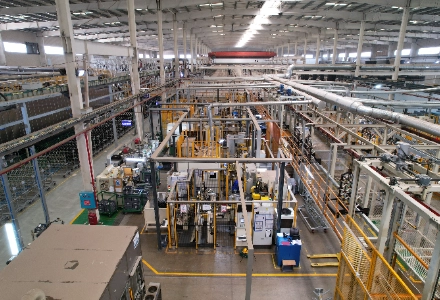
The company has successfully achieved fully automated production across its entire production lines for its own brand products, and the efficiency and intelligent flexibility of the production lines have reached the international leading level.
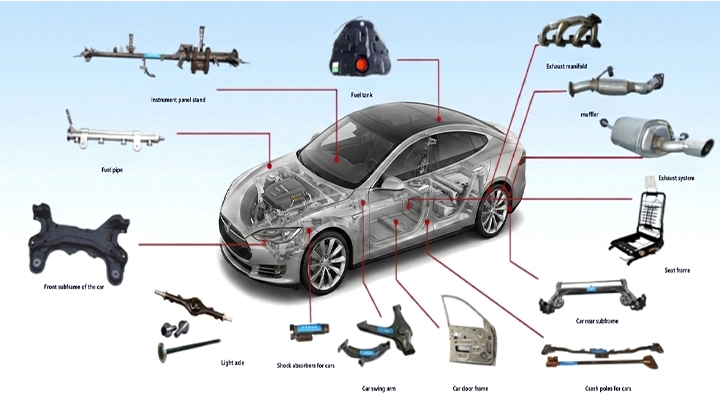
Overall Layout and Flow of the Production Line
The typical process flow is as follows
-
 01
01Raw Material Pretreatment
-
 02
02Part Cutting and Beveling
-
 03
03Alignment and Positioning
-
 04
04Robotic / Manual Welding
-
 05
05Post-Weld Slag Removal and Correction
-
 06
06Nondestructive Testing
-
 07
07Shot Blasting for Rust Removal
-
 08
08Proceed to Machining / Painting
Overview of the Automated Welding Production Line for Automobile Seats
The automotive seat automated welding production line is an integrated intelligent manufacturing equipment specifically designed for core load-bearing components such as seat frame, backrest frame, sliding rail bracket, and angle adjuster mounting seat. It mainly processes high-strength steel pipes, cold-rolled steel plates, galvanized plates, and steel-aluminum hybrid profiles. It serves the mass production of seat assemblies for fuel vehicles and new energy passenger cars, replacing traditional manual welding, and achieving continuous, flexible, and digitalized welding manufacturing. It meets the entry standards of OEMs for high strength, high consistency, and full-process quality traceability.
|
Core technical advantages of the production line:
Production efficiency has been significantly improved. With single machine and dual workstations operating simultaneously, the single-piece welding cycle time has been reduced to 40–80 seconds. The production capacity has increased by 3–5 times compared to manual operation, capable of meeting the demand for 300,000 to 1 million seat frame units per year.
Standard production process flow:• Robotic composite welding: Multiple robots work collaboratively to complete spot welding of pipe plates, arc welding of pipe materials, and laser welding of precision supports. The turntable synchronously flips without any blind spots for welding
• Online visual quality inspection: Real-time determination of weld point quality and frame size, defective products automatically diverted;
• Post-weld auxiliary processing: Automatic removal of spatter, anti-rust spraying of weld seams;
• Automatic material cutting of finished products: Qualified frames are transferred to the storage area and data is uploaded to MES for archiving and storage.
|
|
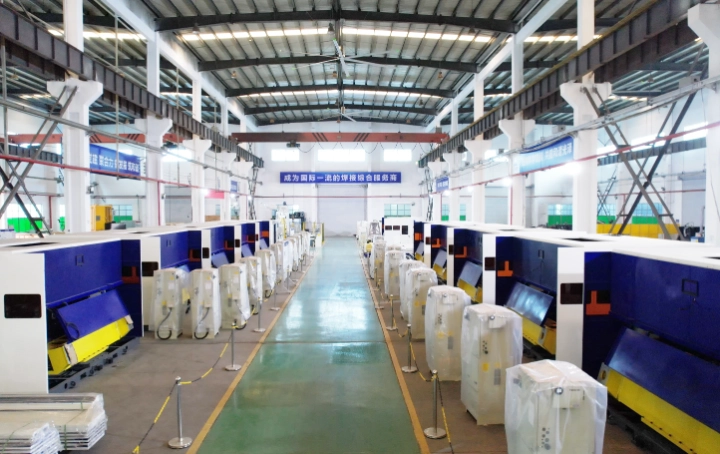
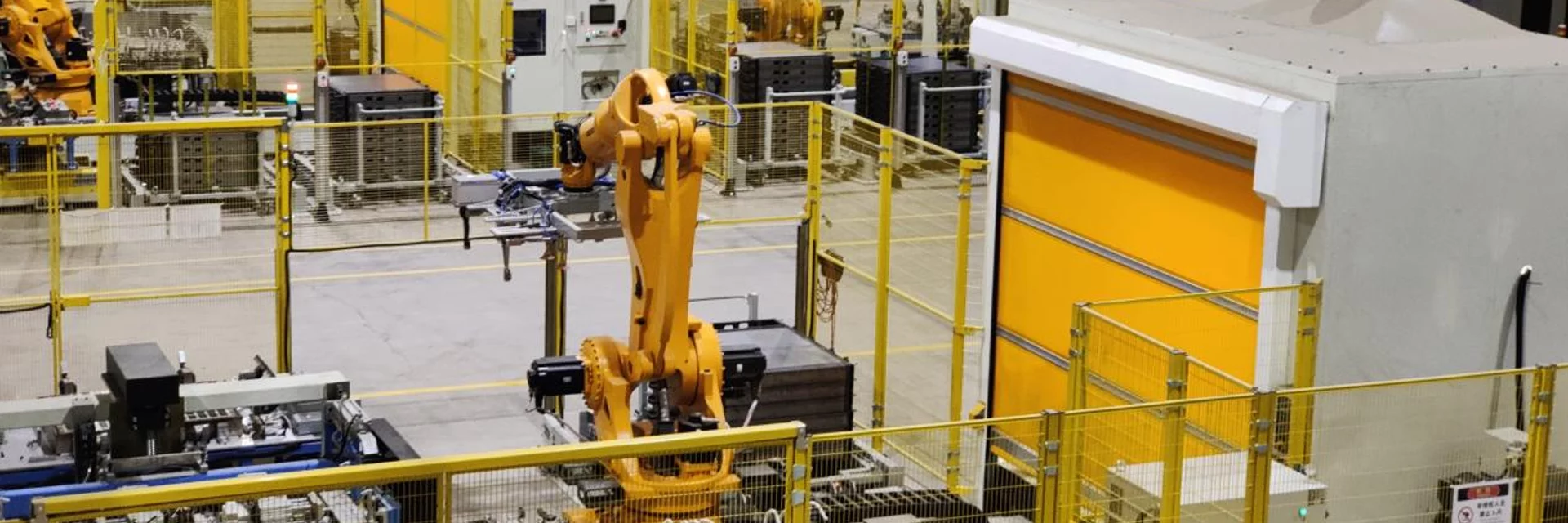
Overview of the main welding lines of the body shell
The main welding line of the body shell is the core production line of the four major welding workshops in the entire vehicle assembly process.
-
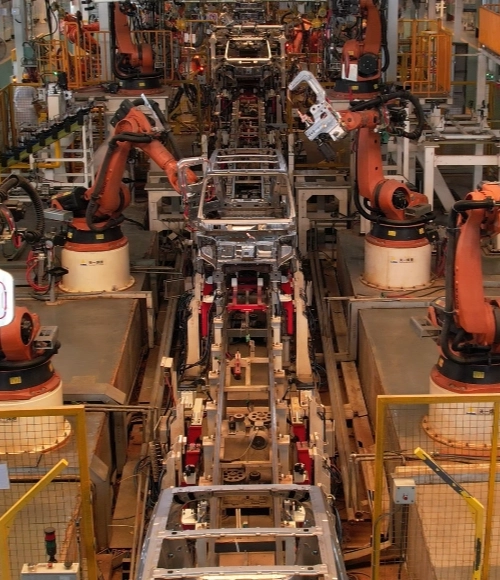 01
01Overall positioning workpiece (core reference unit)
The main assembly fixture is the core of the entire production line's accuracy. It adopts servo positioning pins, pneumatic clamping mechanisms, and quick-switching modules, and is divided into three parts: floor positioning, side panel assembly, and roof positioning. It is equipped with an automatic vehicle model recognition system. After receiving the vehicle model signal, it automatically switches the positioning pins and clamping units, enabling different vehicle models to be produced without manual model changes; it is also equipped with a reference calibration block, which is regularly calibrated online to ensure the dimensional accuracy.
-
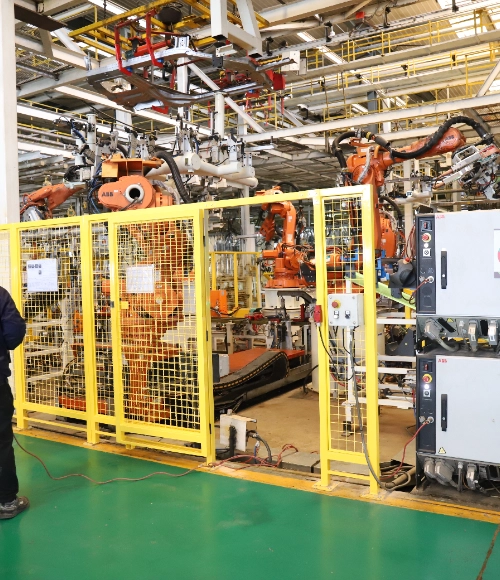 02
02Multi-robot composite welding workstation
• Medium-frequency servo spot welding system: C-shaped / X-shaped servo welding pliers, capable of completing large-area and dense welding points on the vehicle body, with full closed-loop control of welding pressure, current, and time, suitable for high-strength steel and thermoformed steel;
• Digital MAG arc welding system: Low-splash welding machine, used for vehicle body reinforcements, continuous sealing weld seams of impact beams, enhancing the torsional stiffness of the vehicle body;
• Fiber laser welding system: Laser brazing / fusion welding of the roof, side panels, and door frames, with smooth weld seams that do not require grinding, specially designed for lightweight aluminum bodywork. -
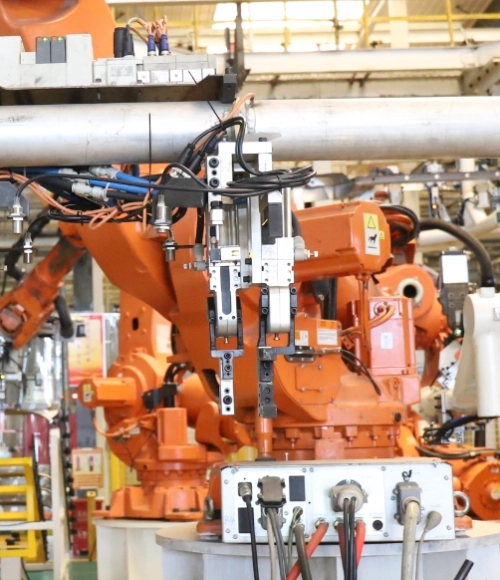 03
03Online visual size inspection unit
Equipped with 2D/3D laser visual measurement system, divided into spot-checking and full inspection stations between workstations:
• Loading visual correction: compensating for deviations in stamping parts and assembly of sub-assemblies, correcting the welding trajectory of the robot;
• Full-size inspection after main assembly: scanning key holes, profiles and assembly benchmarks of the vehicle body, real-time determining if the size exceeds the limit;
• Defect identification: detecting missed welding, false welding, offset welding points, glue breakage, weld defect, and automatically diverting and reworking unqualified vehicle bodies.
Overview of the Automated Welding Workstation for Side Panels and Wheel Arches
This workstation is a dedicated flexible welding production line for the welding workshop. It mainly completes the stamping parts assembly and welding of the left/right side panels and front/rear wheel arches of the vehicle body. It is a key pre-processing step for the main welding line of the white body.
-
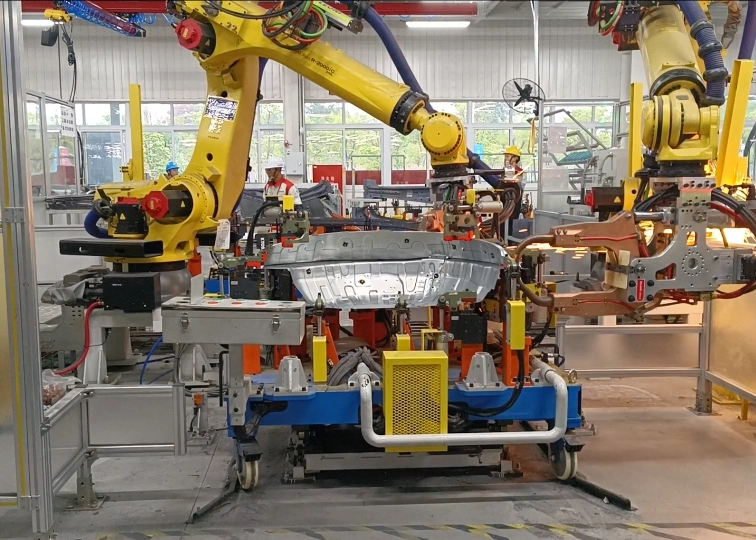
1. Symmetrical concurrent flexible production
One production line can simultaneously manufacture left and right side panels as well as front and rear fenders. It supports one-click model change for multiple vehicle models, resulting in high equipment utilization rate.
-
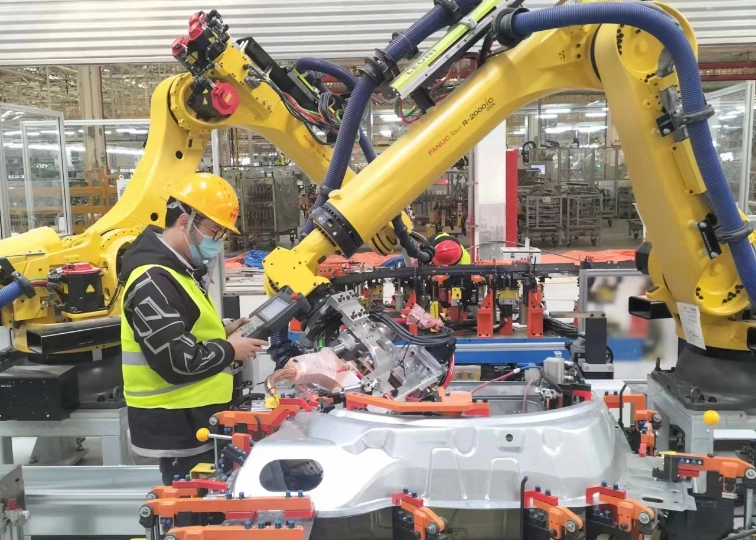
2. The welding quality of thin plates is stable
the medium-frequency spot welding + low-splash arc welding process effectively prevents external plate deformation, indentation, and spatter, resulting in a high appearance qualification rate
-
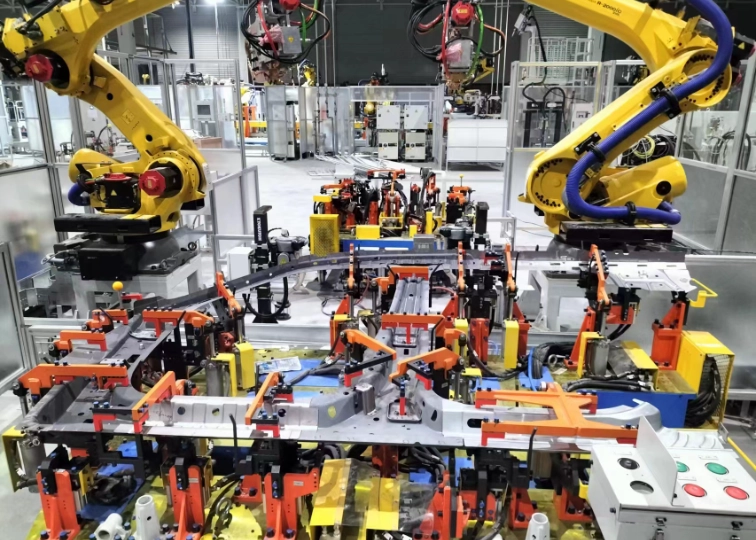
3. The dimensional consistency is excellent
servo precise positioning + real-time visual compensation, with small fluctuations in the assembly and total component dimensions, reducing main welding and assembly matching defects
-
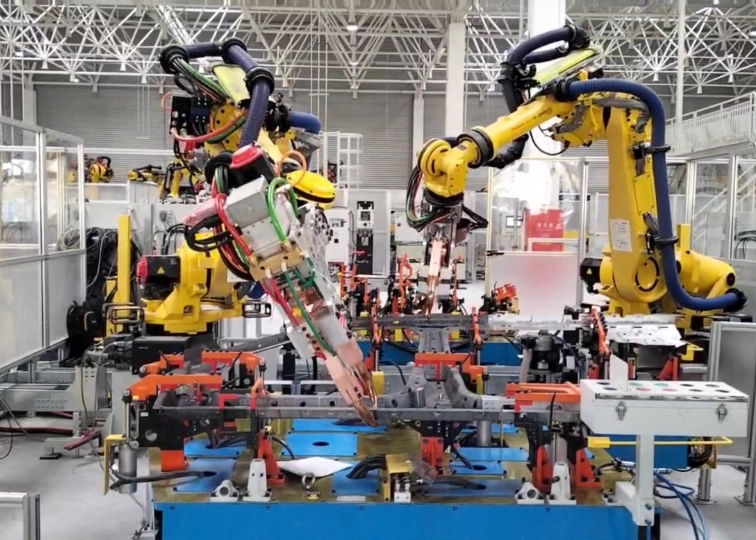
4. The production efficiency is high
the welding cycle for a single side panel / wheel housing assembly is 60 to 100 seconds. It can operate continuously for 24 hours, meeting the requirements of the OEM for large-scale supply of sub-assemblies
Overview of the Automated Welding Production Line for Front Anti-Skid Brackets and Rear Anti-Skid Hooks
This production line is a dedicated automatic welding sub-assembly line for automotive chassis suspension systems. It is a core supporting production line for vehicle body welding and chassis components. The finished products are directly assembled onto the vehicle body wheel package and chassis sub-frame.
-
Intelligent process adaptive upgrade
Equipped with an AI process control system, it automatically compensates for sheet material tolerances, adapts to fluctuations in steel material quality, and autonomously optimizes welding parameters
-
Lightweight process iteration
A new laser composite welding station is added, suitable for welding of lightweight thin-walled high-strength steel and alloy hangers
-
Full-process unmanned closed-loop
Linked with a three-dimensional material warehouse and AGV material transfer, it realizes fully automated black-light operations from material loading, welding, inspection to storage
-
Green energy-saving transformation
Equipped with energy-saving inverter welders and a closed-loop system for waste gas and waste residue collection, it reduces production energy consumption and material loss
Successful Cases in the Automotive Industry
Established in 1992, Tianyi welding has undergone over 30 years of vigorous development to become a comprehensive service provider spanning the entire welding industry chain, integrating the six key elements of welding quality management: Man, Machine, Material, Method, Environment, and Measurement.
-
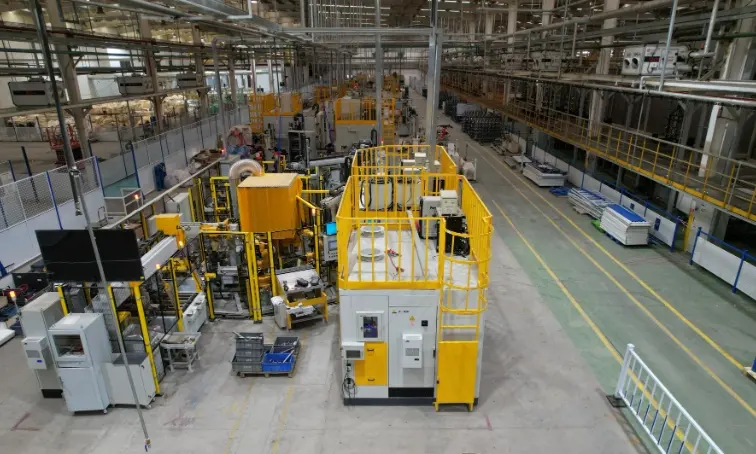
Automated welding production line for automotive shock absorbers
The automatic welding production line for automotive shock absorbers is the core manufacturing procedure for forming key automotive suspension structural components. It mainly completes cutting, assembly, welding, calibration and inspec...Learn More -
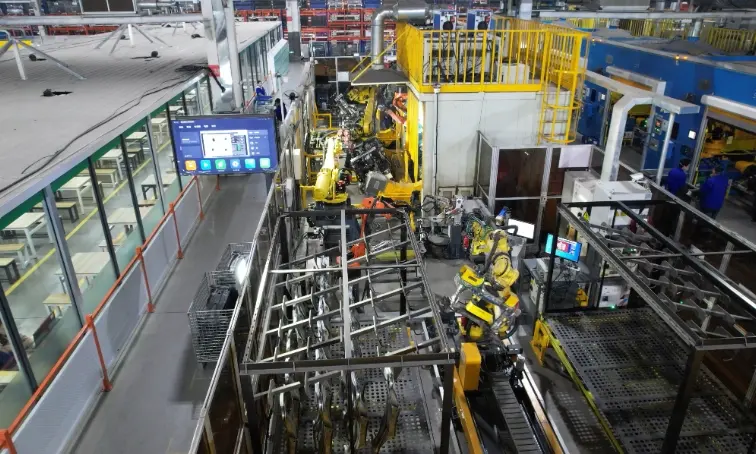
Automated welding production line for the rear subframe of automobiles
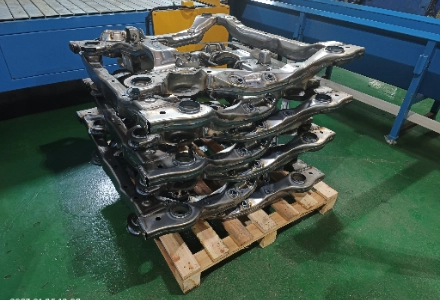
The automatic welding production line for automotive rear subframes is the core manufacturing process for forming key automotive chassis structural components. It mainly completes the processes of cutting, assembly, welding, correction,...Learn More -
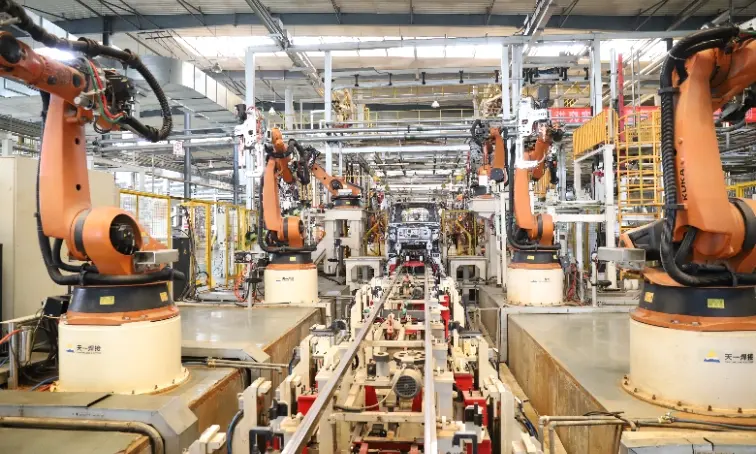
Automated welding production line for the main body of automotive body panels
The automatic welding production line for automotive body-in-white main welding is the core manufacturing process for forming the entire vehicle body structure. It mainly completes the processes of cutting, assembly, welding, correction...Learn More
Overview of the Resistance Welding Workstation for Body Water Drain Channels
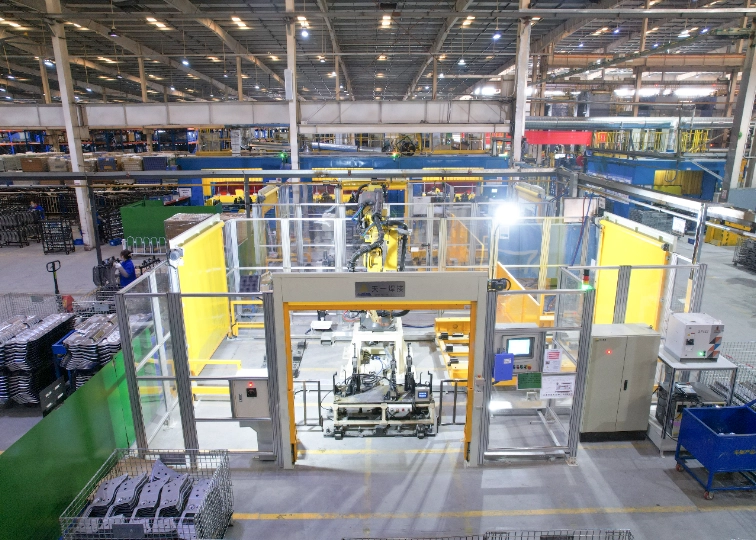
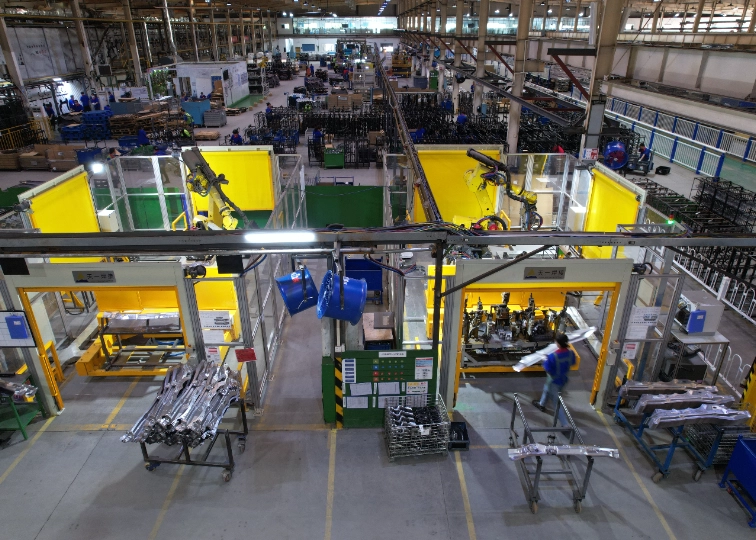
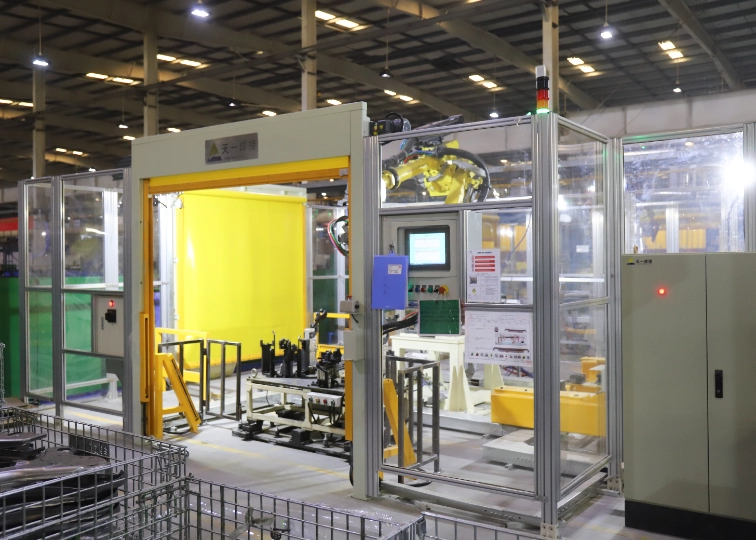
This workstation is a dedicated automatic resistance spot welding unit for the body-in-white assembly. It is a key workstation for body waterproofing and appearance processes.
-
1. Appearance quality is extremely strict
The solder joints of the water guide channels are located in the visible areas of the tailgate and around the glass. They must not have dents, indentations, obvious solder bumps, splashes, or color differences.
-
2. Difficult control of thin plate galvanizing material
The galvanizing layer is prone to zinc splashing and gas pores at high temperatures. The thin plate has uneven heat input, which easily deforms, resulting in assembly gaps and later water leakage and abnormal sounds
-
3. Hard requirements for waterproof performance
The solder joint's melting depth and melt core size must be stable. Poor soldering or missed soldering will cause water seepage during driving, and it is a key component that requires both appearance and sealing control
-
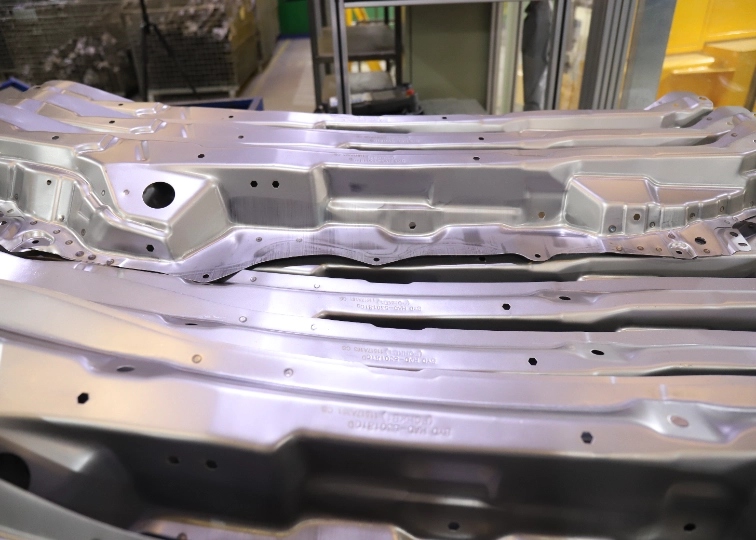
4. Flexible requirements for multiple vehicle models
Left and right symmetrical water flow channels and long and short engine compartment drainage channels are produced in a continuous line. The fixtures and programs need to be quickly switched
Overview of the Automated Welding Production Line for Front and Rear Chassis
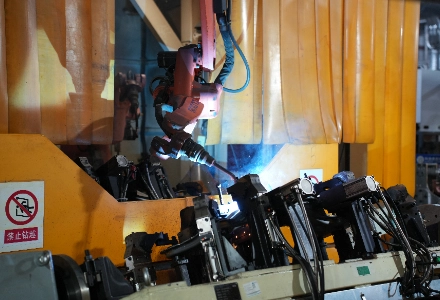
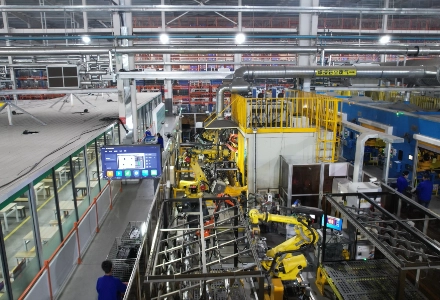
This production line is a dedicated flexible automated arc welding production line for the core load-bearing components of the vehicle chassis. It belongs to the chassis intelligent manufacturing section and independently completes the assembly welding of the front and rear subframes as well as the overall assembly welding operations.
-
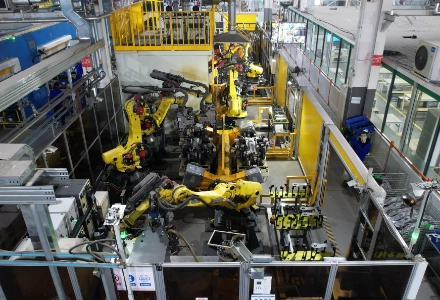
Structural accuracy controllable
Servo tooling limit positioning combined with transverse machine balanced welding, significantly reduces the distortion of the chassis frame during welding, maintains stable benchmark hole position accuracy, and greatly improves the chassis assembly matching rate
-
Flexible production of front and rear frames on the same line
A single production line is compatible with the production of multiple models of front and rear subframes, low cost of modular tooling modification, short new model production cycle
-
Complete compliance traceability
Retention of all welding and inspection data throughout the process, fully compatible with the chassis safety component access review and batch accountability control by the OEM
-
Green energy-saving transformation
Equipped with energy-saving inverter welders and a closed-loop system for waste gas and waste residue collection, it reduces production energy consumption and material loss
Categorized Product Showcase
The product list within this category displays relevant textual descriptions.
-
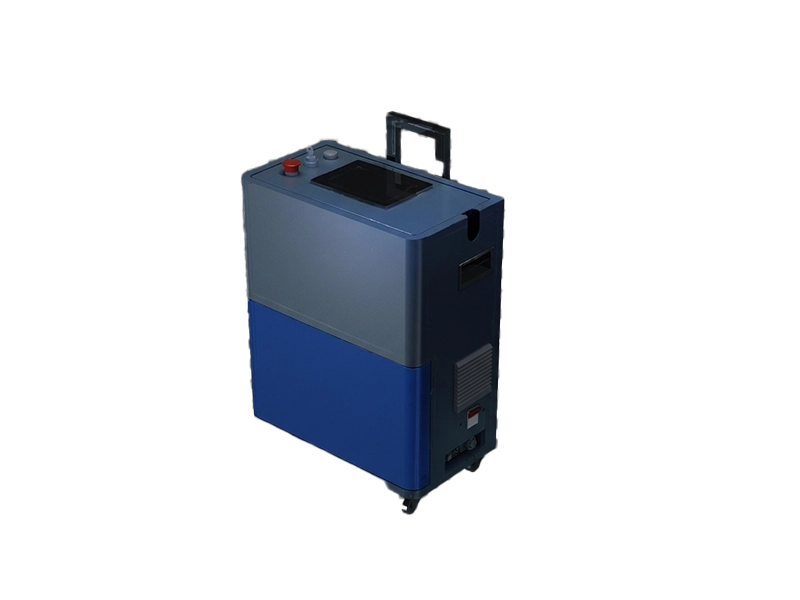
Handheld Pulsed Laser Cleaning Machine
Technical Specifications Model100W200W300W500WOperating Voltage220V220V220V220VCenter Wavelength1064nm1064nm1064nm1064nmOutput Power>100W>200W>300W>500WOutput Fiber Length5m5m5m10mCleaning Head Weight0.8kg0.8kg0.8kg0.8kgM...
Learn More -
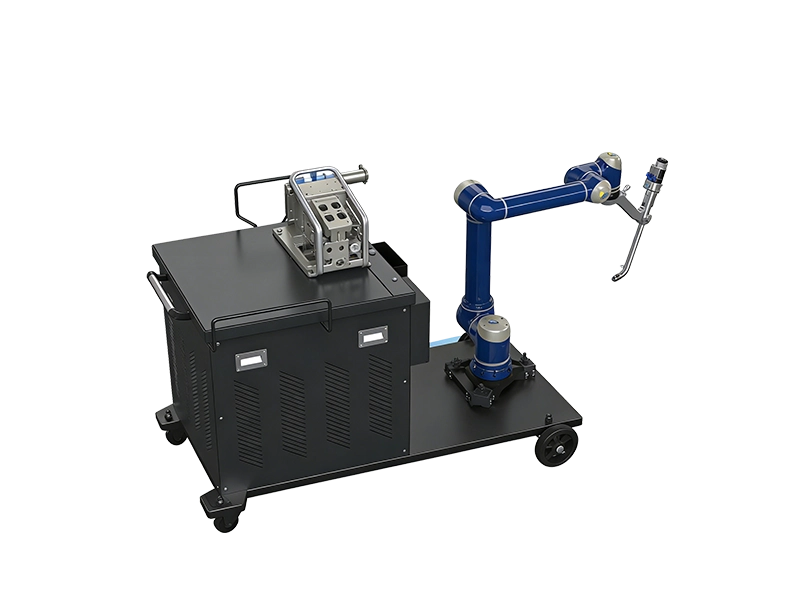
Collaborative Welding Robot System
Technical Specifications ConfigurationTY-F-09-Z-2-1TY-F-09-Z-2-1 (Recommended)TY-G-09-Z-2-1TY-G-13-Z-2-3RemarksRobot Reach900mm900mm900mm1300mmTorch Cooling MethodRefrigerated ChillerRefrigerated ChillerRefrigerated ChillerRefrigerat...
Learn More -
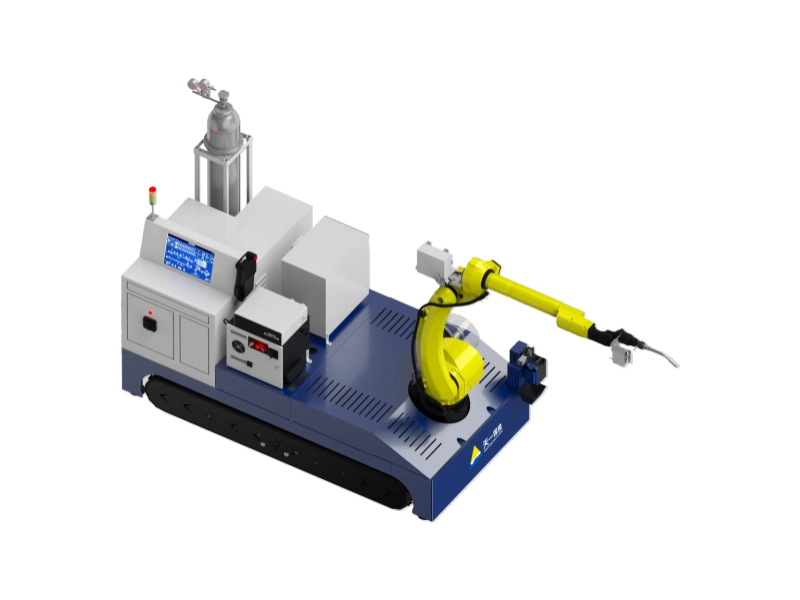
Mobile Welding Robot System
Technical Specifications ProjectParameterProjectParameterProduct NameTTYB01010101Horizontal Welding Width4MWelding RobotTY ARC12-2000Vertical Welding Height2.7MWelding Power SourcePanasonic 500FT3DimensionsL1940×W1460×H1300Water-Cool...
Learn More