

TIANYI Core software family
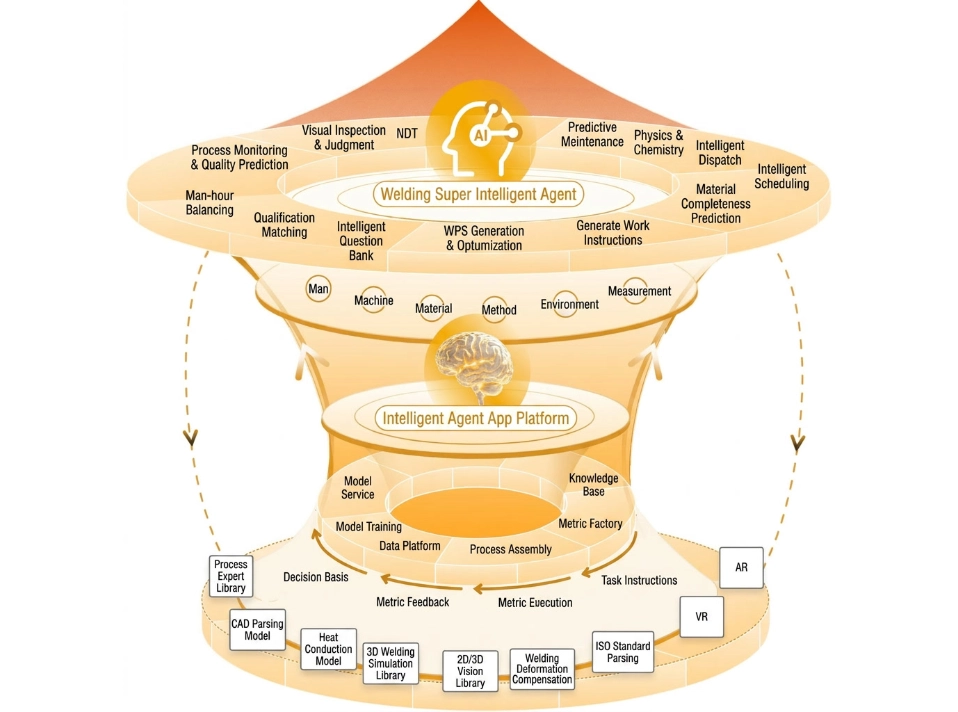
Constructing a future welding factory model featuring "digital twin as the mirror, AI algorithm as the brain, and intelligent equipment as the hands", not only addresses the pain points of traditional welding, but also achieves multiple breakthroughs in production efficiency, quality, and humanistic care through technological innovation, providing a replicable practical path for the implementation of intelligent manufacturing.
AI+ Welding Factory Comprehensive Solution
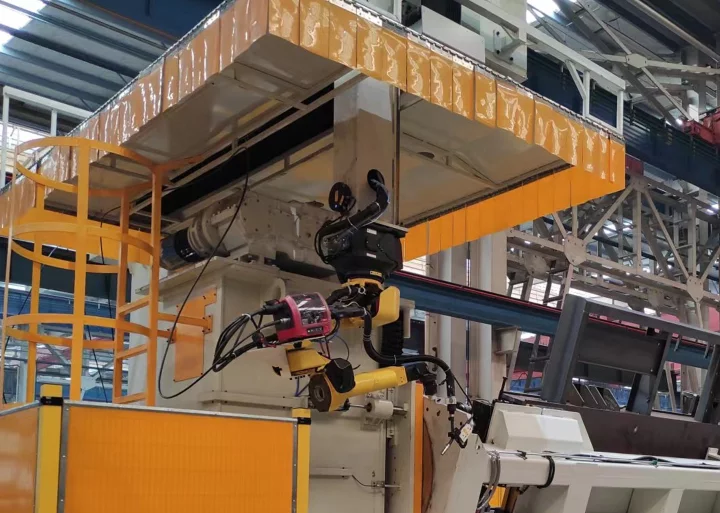
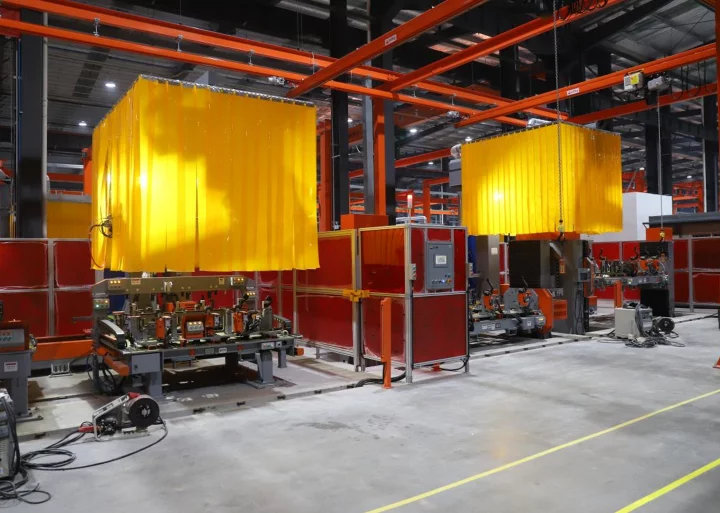
Traditional welding workshops have long grappled with persistent challenges, including poor working environments, high physical labor intensity, significant health risks, and inconsistent efficiency and quality. Aiming for full automation, unmanned operations, and intelligent control, the Smart Lighthouse Welding Factory constructs "Dark Factory"-grade welding production lines. By leveraging technologies such as digital twins, AI, and intelligent sensing, it liberates workers from hazardous operating environments while simultaneously achieving a comprehensive upgrade in efficiency, quality, and management—thereby setting a new benchmark for intelligent manufacturing.
Core Technical Architecture: Seven Intelligent Workstations
Centered on digital-driven operations and intelligent control, it encompasses a complete closed-loop process spanning from design to inspection, with seven major work sections operating in seamless collaboration.
Weld Seam Tracking
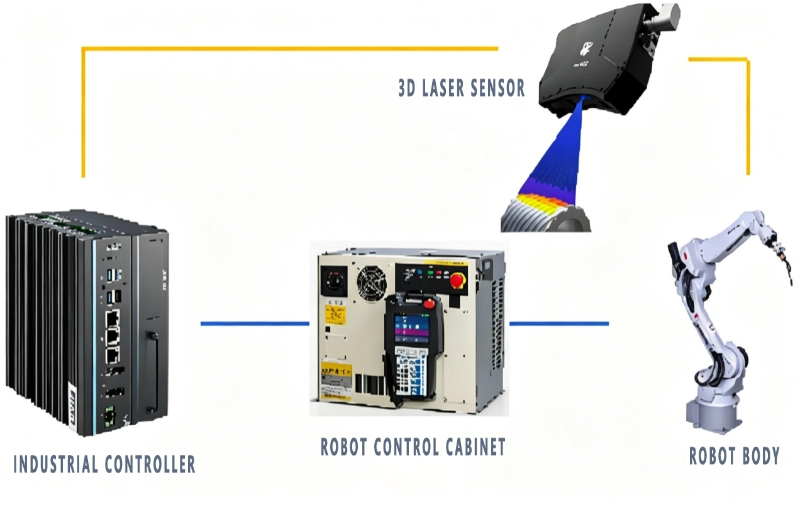
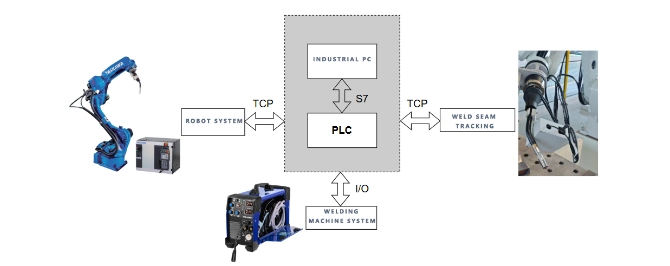
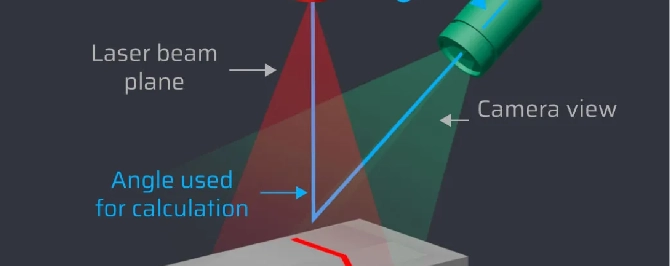
Intelligent Laser Vision, Precise Seam Positioning, and Automated Welding Solutions: Leveraging machine vision and laser triangulation, this system achieves automated seam recognition, path planning, and real-time tracking—thereby resolving critical industry pain points such as low precision, poor efficiency, and insufficient stability inherent in traditional welding processes.
Technical Overview | The Core of Intelligent Manufacturing Welding
Technically defined, weld seam tracking is an intelligent, machine-vision-based welding assistance technology. By utilizing sensors to scan the weld seam location, it automatically plans the welding path, ensuring that the welding torch remains precisely aligned with the seam trajectory; it serves as a critical supporting technology for industrial welding automation.
-
Core Technological Advantages
• High-Precision Positioning: Guidance accuracy of ±0.5 mm
• High-Speed Processing: Single-frame processing in 50–100 ms
• Rapid Response: System response time of <500 ms
• Strong Adaptability: Compatible with multiple materials and welding methods -
Pain Points of Traditional Welding
• Manual teaching is inefficient and requires lengthy programming time.
• Workpiece assembly errors lead to weld misalignment.
• Thermal deformation compromises the stability of weld quality.
• Complex weld seams are difficult to automate.
Core Algorithms | Precise Recognition and Calibration
Image Processing Algorithm Workflow: Image Preprocessing → Laser Stripe Center Extraction → Weld Feature Point Calculation → Real-time Weld Tracking.
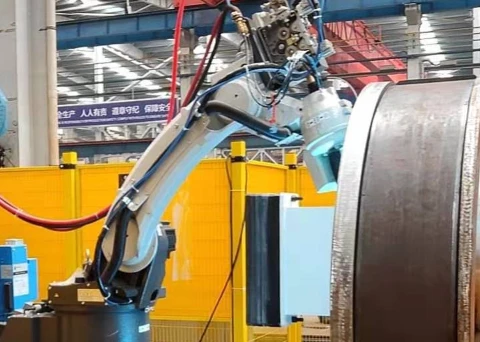
Teach-free Welding Robot
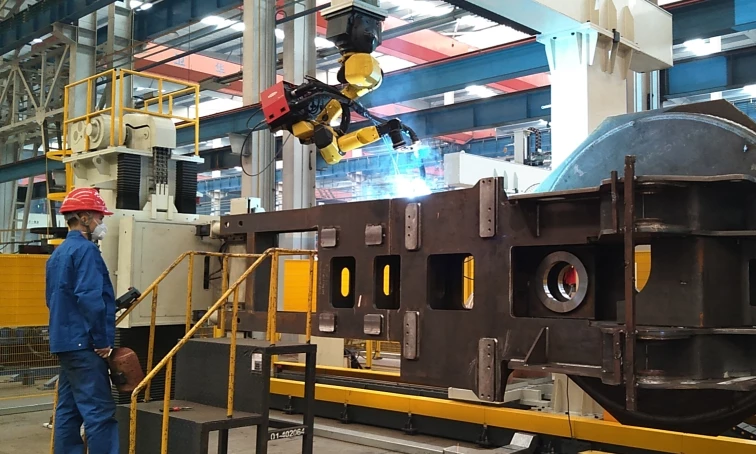
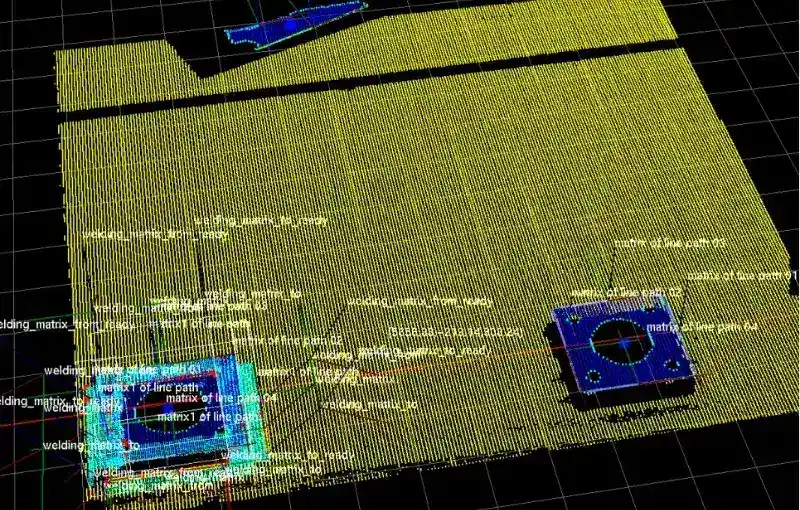
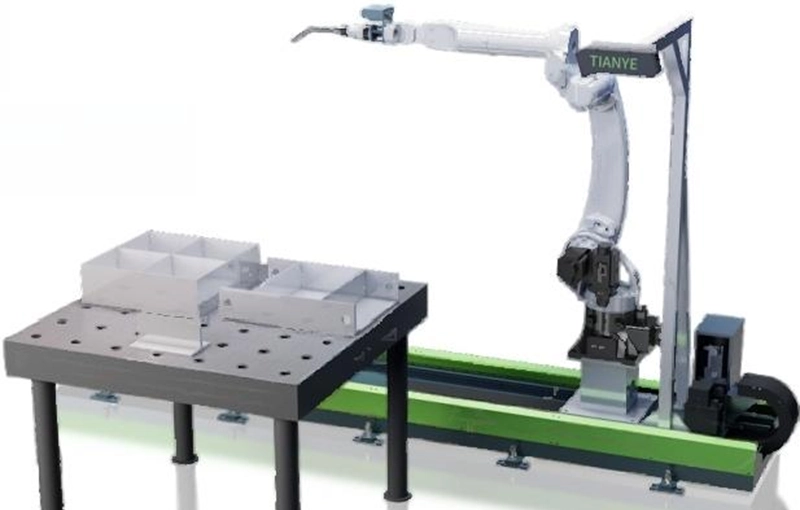
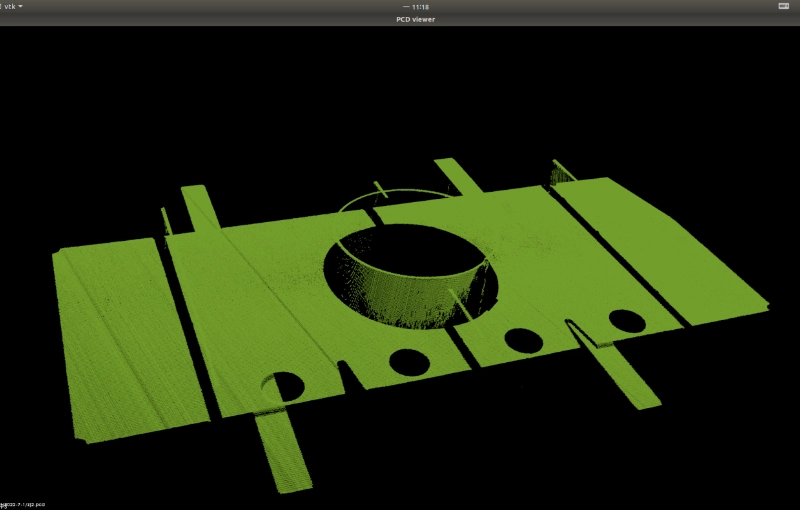
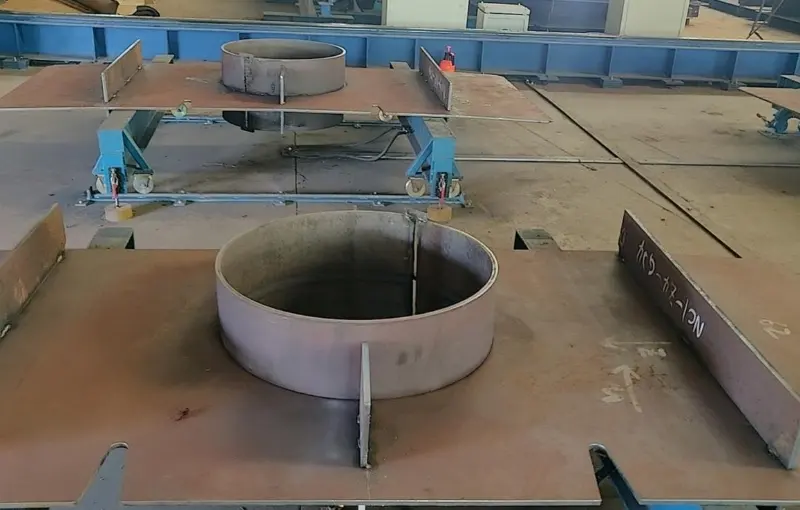
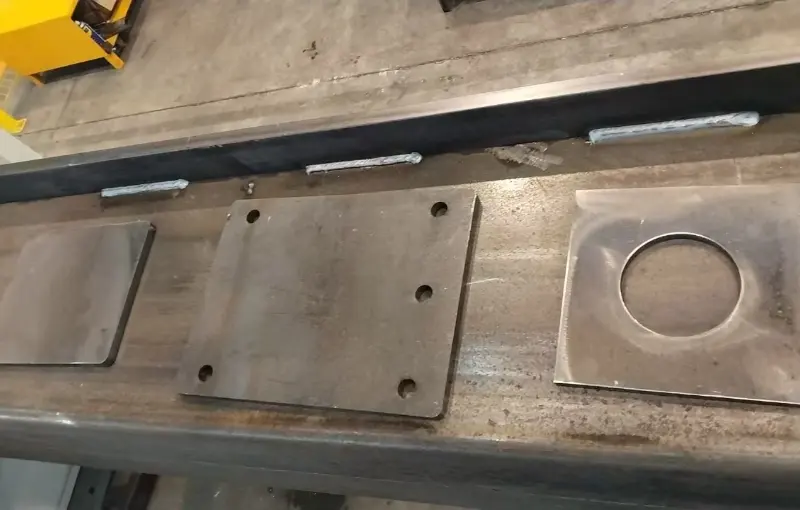
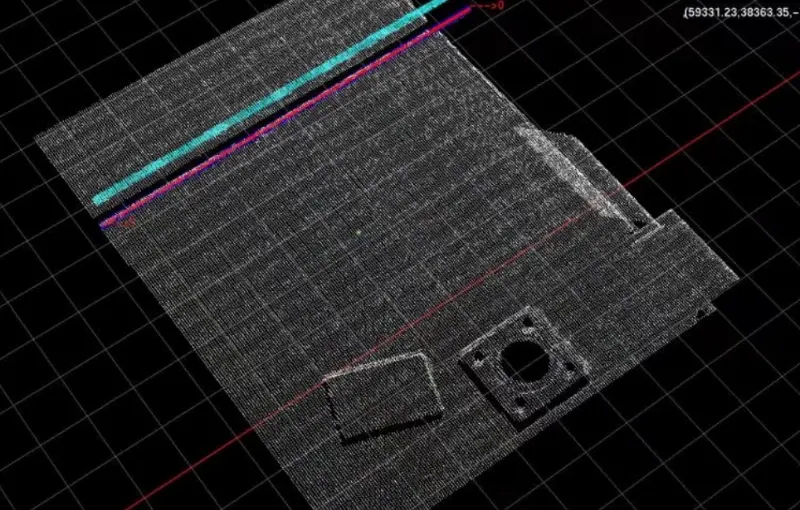
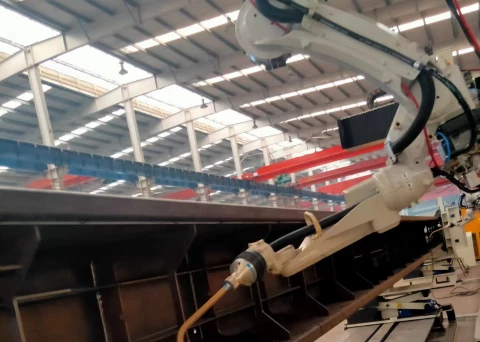
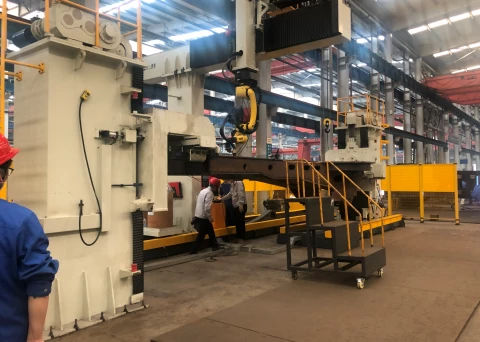
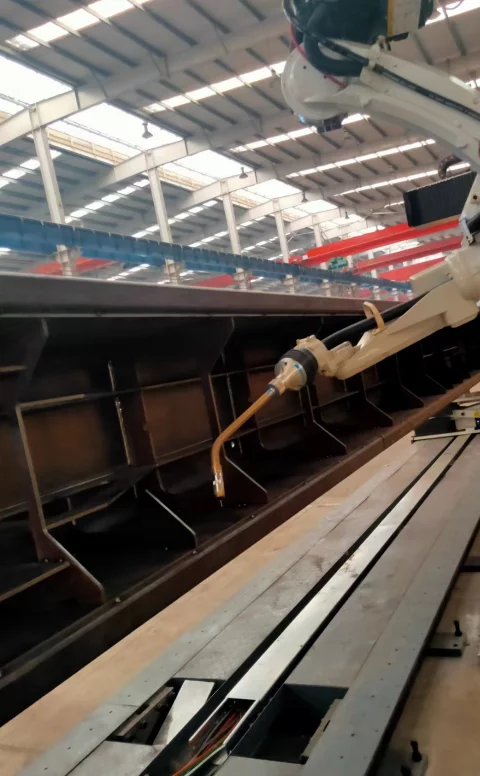
Leveraging 3D vision and intelligent algorithms, this system enables teach-free, fully automated, and high-precision welding for ultra-long workpieces and ribbed components—thereby significantly reducing manual programming costs.
Intelligent Robotic Welding System
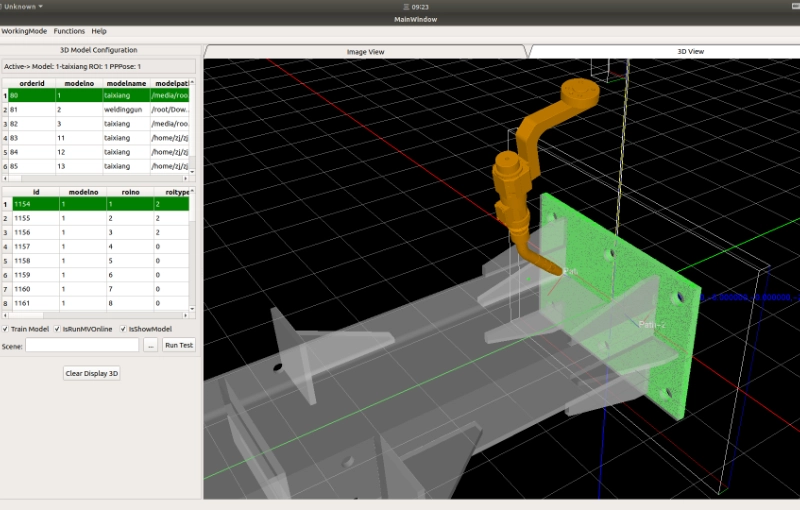
Teachless Programming | Intelligent Vision-Guided Seam Finding | Digital Twin Simulation | One-Touch Operation
-
Offline Programming and Simulation
Toolpath Planning, Process Simulation, and Digital Twin Pre-visualization
-
Robotic Welding Control System
Bus Control, Real-time Algorithms, Multi-axis Coordination
-
3D Vision Guidance Module
Initial Positioning + Laser Seam Tracker + Line Scan Camera
Core Strengths
-
System Intelligence
• Digital Twin: The nation's first welding digital twin, enabling full-process simulation and rehearsal.
• One-Touch Operation: Single-click extraction of weld seams, process parameter matching, and path planning.
• Integrated Vision & Intelligence: Automatic visual positioning and blueprint-free reverse modeling.
• Automated Calibration: Rapid, one-touch calibration to restore robot precision.
-
Simplified Learning and Usage
• Beginner-Friendly: Algorithms replace manual programming—no specialized background required.
• Built-in Expert Process Library: Automatically matches parameters to ensure stable weld quality.
-
Production Digitization
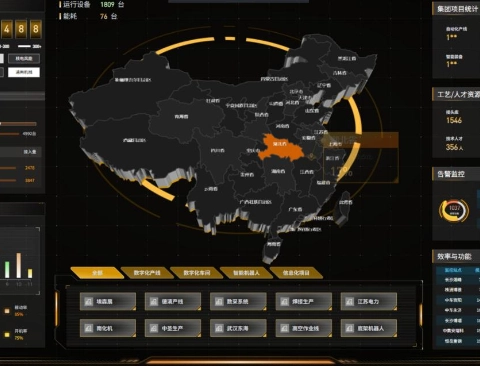
• Cloud Connectivity: Multi-device Monitoring, Remote Mapping, Mobile Management.
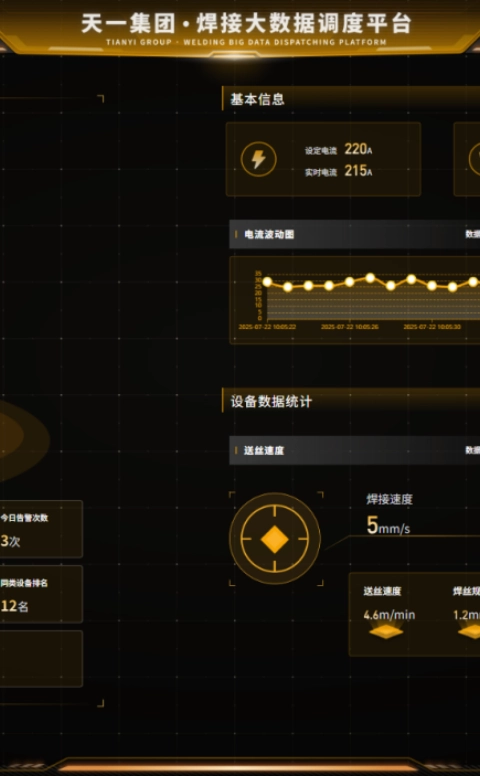
• Smart Display: Real-time Device Status Acquisition, Data Visualization.
Off-line Programming & Digital Twin
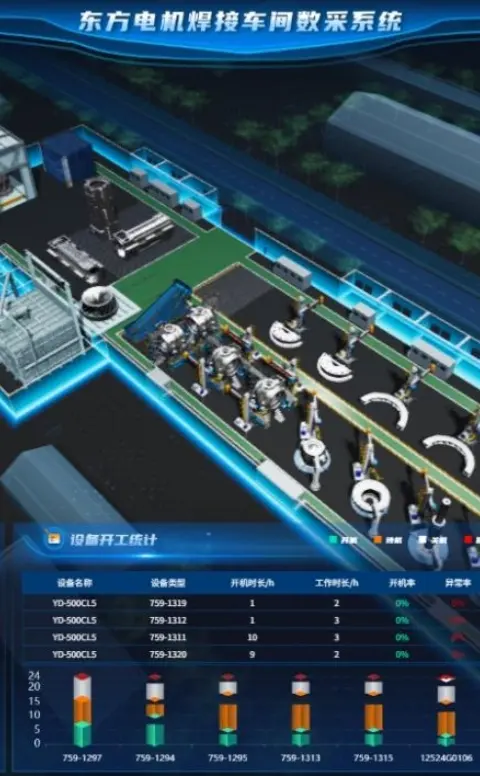
Development, application, and optimization of VC, Simufact Welding, Ignition SCADA, and AI technologies; offline programming, virtual commissioning, digital twins, welding process simulation, and intelligent applications; optimization of the integration of multi-brand equipment and vision systems; construction of an intelligent WPS process library; and the establishment of end-to-end intelligent manufacturing service capabilities.
Molten Pool Online Monitoring
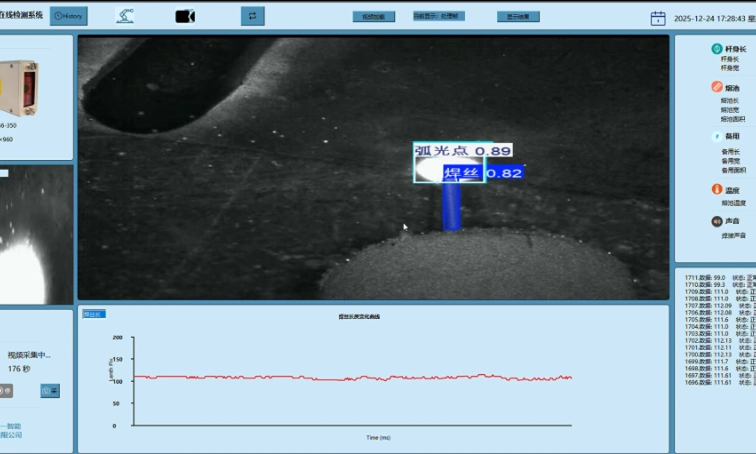
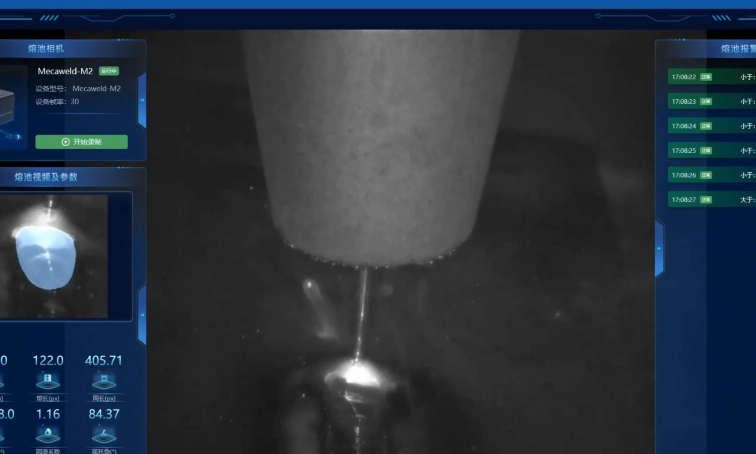
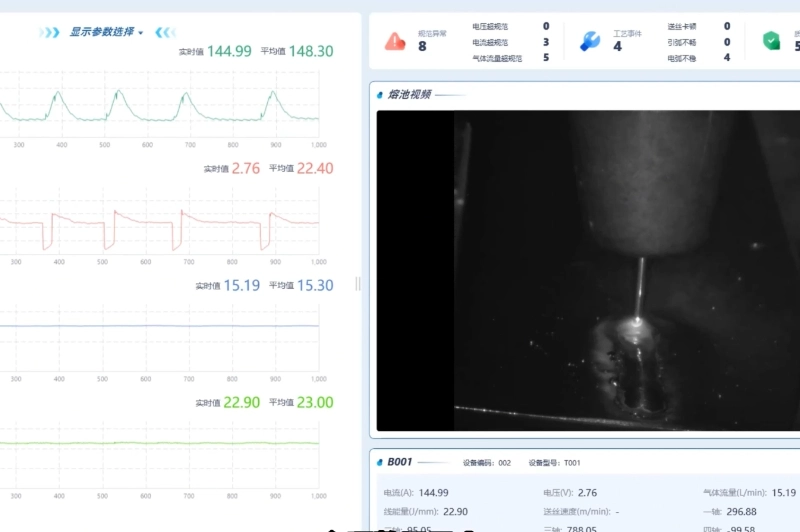
By capturing images of the weld pool in real-time using high-speed cameras—and integrating deep learning algorithms—we achieve precise extraction of weld pool features, intelligent prediction of weld quality, and proactive intervention in the welding process, thereby comprehensively elevating the levels of welding automation and intelligence.
Real-time Monitoring | Deep Learning | Multimodal Fusion | Defect Warning | Remote Transmission
-
Core Technological Advantages:
- 1. Deep Learning-based Intelligent Recognition: Enhanced CNN architecture for precise identification of weld penetration status.2. Multimodal Data Fusion: Integration of image, audio, and temperature data for highly accurate predictions.3. High-Speed Data Acquisition (30 fps): Captures transient changes in the weld pool with clear and stable imagery.4. Intelligent Parameter Optimization: Automatically generates the optimal image processing configuration.5. Three-Tier Warning Mechanism: Audio-visual alerts → Parameter correction → Emergency shutdown.6. Remote Data Transmission: Real-time data upload via WebSocket, enabling cloud-based monitoring.
-
Core Function Modules:
- 1. System Initialization: Comprehensive configuration of cameras, sensors, communication modules, and process parameters.2. Acquisition Control: Dynamic data acquisition, area statistics, and optimal frame selection.3. Process Recipe Management: Parameter saving, rapid recall, and batch management.4. Deep Learning Inspection: Automated segmentation, annotation, and model inference.5. Intelligent Defect Pre-warning: Real-time identification of five major categories of welding defects.6. Remote Data Transmission: Real-time uploading of images and process parameters.
Real-time Monitoring Parameters
Weld Pool Geometry: Length, Width, Area, Perimeter, Aspect Ratio, Coordinates; Welding Status: Wire Stick-out, Wire Diameter, Arc Spot Position, Travel Angle; Environmental Perception: Weld Pool Temperature, Welding Sound, Operational Status
Welding Defect Recognition
|
Defect Type
|
||
|
Stoma
|
Weld Pool Bubbles / Gas Interruption / Wire Sticking |
Level 1 Audible and Visual Alarm
|
|
Missed weld
|
Abnormal welding wire, intermittent welding |
Level 2 Audible and Visual Alarm
|
|
Undercut
|
Excessive current, unstable speed
|
Level 2 Audible and Visual Alarm
|
|
Weld Misalignment
|
Weld bead offset, workpiece displacement
|
Level 2 Audible and Visual Alarm
|
|
Lack of fusion
|
Blurred edges, asymmetric temperature field
|
Level 3 Audible and Visual Alarm
|
Application Value
• Visualization, Digitalization, and Intelligentization of the Entire Welding Process
• Predict quality in advance, intervene proactively, and reduce the scrap rate.
• Replaces manual inspection; offers high precision, high efficiency, and zero errors.
• Accumulate welding big data to support process optimization.
• ACompatible with automated production lines, meeting the demands of high-end manufacturing.
Weld Inspection
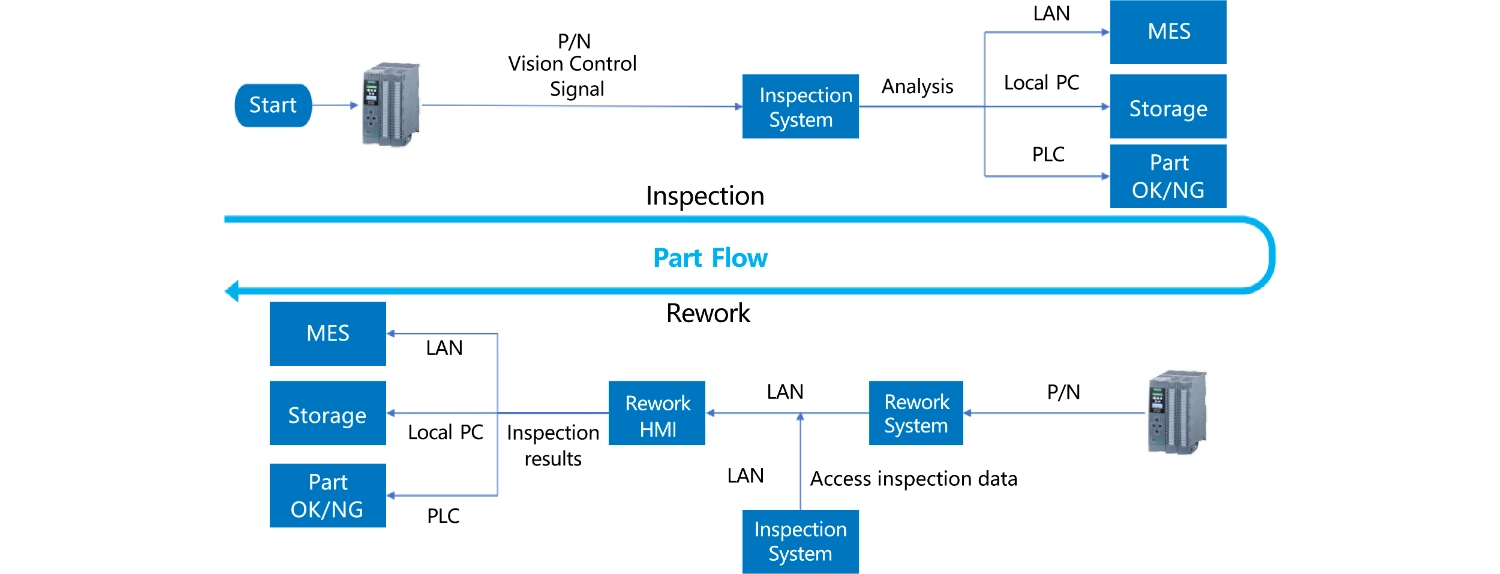
The weld surface quality inspection system, based on line-structured light 3D vision and integrated with robotic automated scanning, enables non-contact, high-precision, and end-to-end intelligent detection of weld defects. It provides stable and reliable quality control solutions for welding applications across sectors such as automotive components, steel structures, and new energy enclosures.

Testing Process
-
Constant-Speed Scanning
The robot carries a sensor and scans along the weld seam at a constant speed.
-
Image Stitching
Acquire multi-frame contour point clouds and stitch them together to form an image.
-
Automatically Segment Weld Regions
Fit the base metal and weld profiles, and automatically segment the weld region.
-
Identify and Classify Defects
Match defect models to identify and classify defects.
Core Advantages of the Solution:
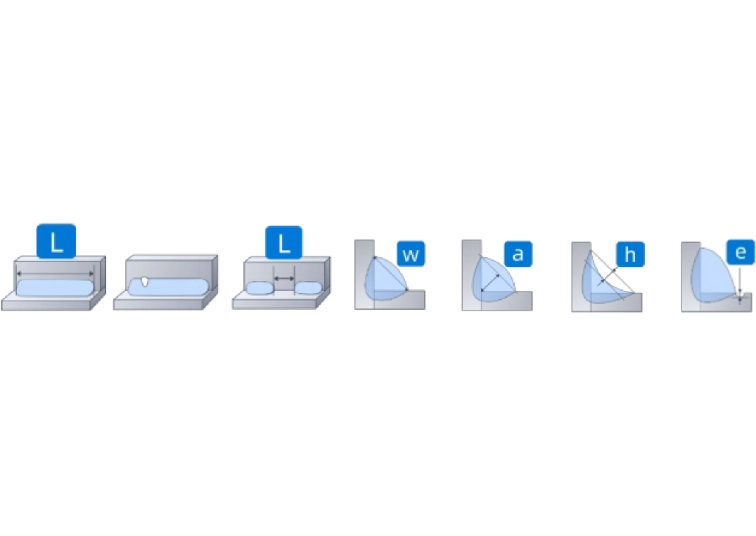
- • High-Precision Inspection: Repeatable positioning accuracy of ±0.1 mm, enabling precise identification of minute defects.• Comprehensive Defect Coverage: Capable of detecting standard defects such as weld length, width, and height, as well as burn-through, weld deviation, porosity, undercut, and intermittent welds.• Flexible Adaptability: Supports various welding processes, including MIG/MAG and laser welding.• Stable and Interference-Resistant: Optimized for industrial environments; features an integrated light-shielding solution to effectively mitigate the impact of strong ambient light.• Data Traceability: Inspection results are linked directly to specific workpieces, integrating with MES systems to enable end-to-end process control.