



Automotive Industry
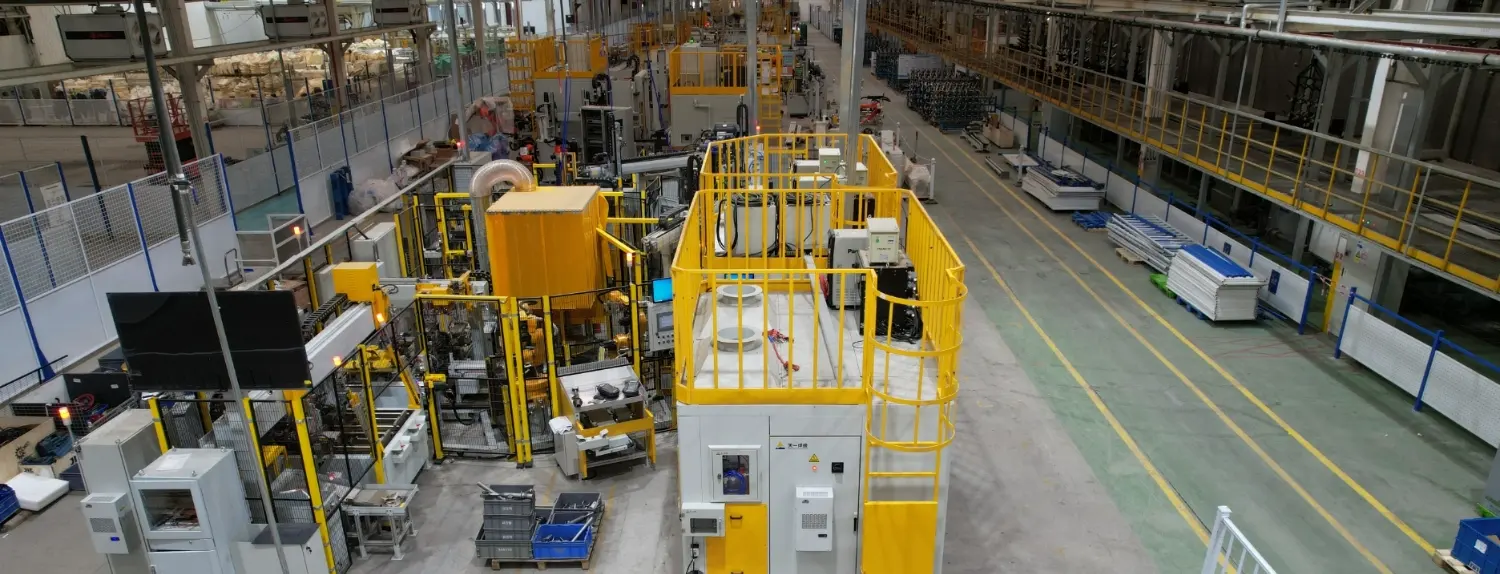
Automated welding production line for automotive shock absorbers
China
The automatic welding production line for automotive shock absorbers is the core manufacturing procedure for forming key automotive suspension structural components. It mainly completes cutting, assembly, welding, calibration and inspection processes for critical parts such as cylinder shell, piston rod, end cover, connecting seat and mounting bracket. The whole production line features high precision, stable sealing performance, tiny welding deformation and high automation, and fully complies with the standards of heavy load resistance, long-term fatigue resistance and safe driving for automotive suspension systems.
Product Features Description
Automated, intelligent, and flexible welding production for workpieces—aimed at enhancing weld quality, boosting welding efficiency, ensuring smooth material flow, and reducing labor costs.
-

Flexibility
Staff will make a production analysis of the customer’s future production needs and goals. Material flow analysis and planning define the optimal configuration and layout for your site.
-

Rhythmicization
Remote repair service enables instant visual connection to the machine despite its geographical location.
-

Intelligentization
Full range of spare and wear parts, including original PEMA spare parts, retrofit parts, and approved replacement OEM parts, all meeting the strictest quality criteria.
Case-Related Images
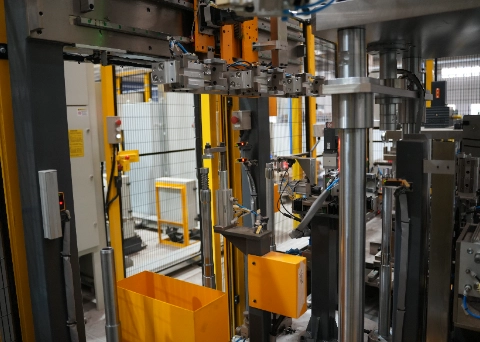
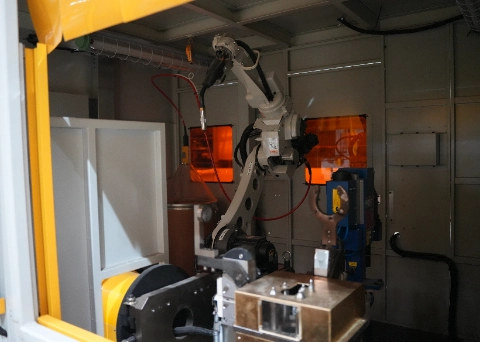
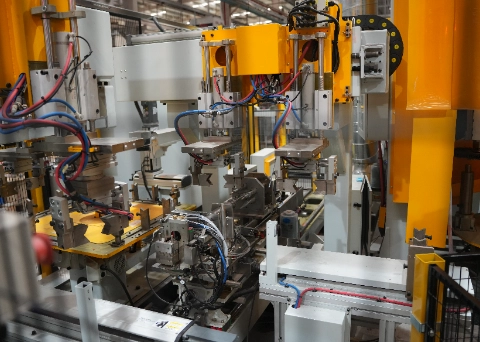
Overall requirements: The layout of the production line and equipment should be compact, with a regular and neat appearance, being elegant and decent, and having clear contours; the structural components, edges of the covering parts, holes, and seams should be neat, with smooth lines and natural transitions; the weld seams should be full-formed, without obvious damage, accumulation, defects, or deformation. The shapes of the assembly connection points should be flat, and the styles and materials of the standard parts should be unified; the coating should be smooth, uniform, and full, without obvious color differences, grainy spots, pinholes, bubbles, or brush-painting repair marks; the layout of various pipelines should be neat and without interference; the font of the nameplates should be clear, and the boundaries should be definite; the surface of the coating should be smooth, flat, and of uniform color.
Introduction to Other Related Products
By integrating cloud computing with Al technology,coupled with advanced production management systems, and utilizing process simulation and digital twin technologies, we achieve intelligent welding and create a lighthouse factory in the welding industry.
-
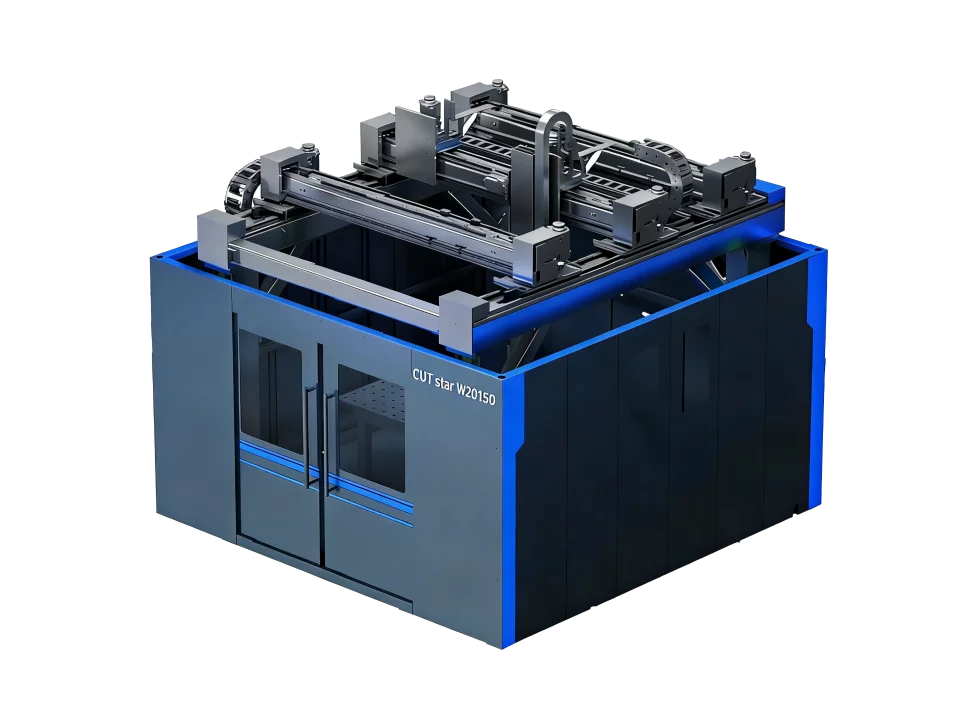
演示产品 – 3D five axis laserwelding and cuttingsystem
Process Flow Leveraging its expertise in welding, the company has collaborated with numerous prominent enterprises within the industry. Equipment Components Welding Main Unit -Industrial Welding Robot + Welding Power Sou...
Learn More -
演示产品 – 3D five axis laserwelding and cuttingsystem
Process Flow Leveraging its expertise in welding, the company has collaborated with numerous prominent enterprises within the industry. Equipment Components Welding Main Unit -Industrial Welding Robot + Welding Power Sou...
Learn More -
演示产品 – 3D five axis laserwelding and cuttingsystem
Process Flow Leveraging its expertise in welding, the company has collaborated with numerous prominent enterprises within the industry. Equipment Components Welding Main Unit -Industrial Welding Robot + Welding Power Sou...
Learn More -
演示产品 – 3D five axis laserwelding and cuttingsystem
Process Flow Leveraging its expertise in welding, the company has collaborated with numerous prominent enterprises within the industry. Equipment Components Welding Main Unit -Industrial Welding Robot + Welding Power Sou...
Learn More