


Rotary drilling rig
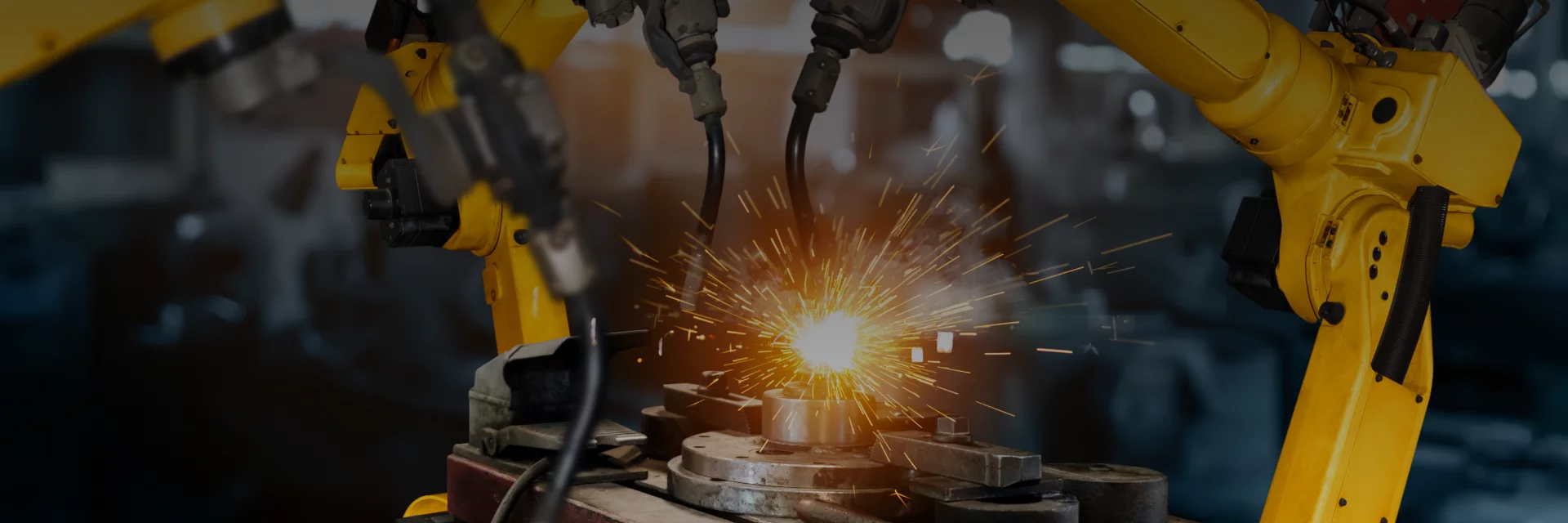
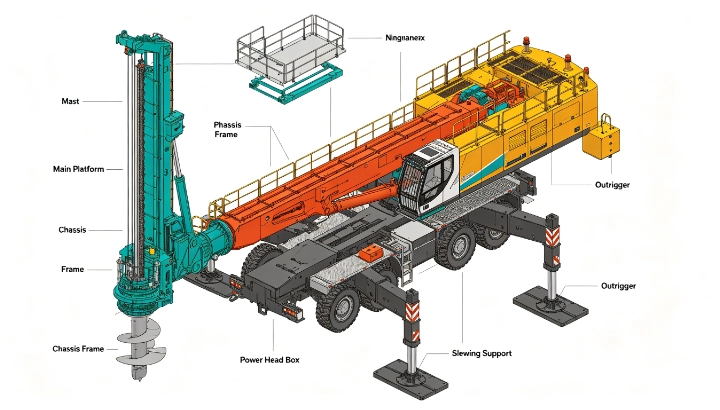
The rotary drilling rig is a heavy-duty equipment for foundation engineering. It has a large overall load and strong working conditions. The welding production line mainly targets large and heavy load structural components such as the mast, main platform, frame, power head box, drill pipe frame, legs, and slewing bearings.
-

Flexibility
Staff will make a production analysis of the customer’s future production needs and goals. Material flow analysis and planning define the optimal configuration and layout for your site.
-

Rhythmicization
Remote repair service enables instant visual connection to the machine despite its geographical location.
-

Intelligentization
Full range of spare and wear parts, including original spare parts, retrofit parts, and approved replacement OEM parts, all meeting the strictest quality criteria.
Overall Layout and Flow of the Production Line
The typical process flow is as follows
-
 01
01Raw Material Pretreatment
-
 02
02Part Cutting and Beveling
-
 03
03Alignment and Positioning
-
 04
04Robotic / Manual Welding
-
 05
05Post-Weld Slag Removal and Correction
-
 06
06Nondestructive Testing
-
 07
07Shot Blasting for Rust Removal
-
 08
08Proceed to Machining / Painting
Overview of the Automated Welding Workstation for the Rotating Platform of the Rotary Drilling Rig
The rotary platform of the rotary drilling rig is the core heavy-load rotating bearing structure of the equipment. It is connected to the cab, power system, and mast assembly at the top, and is linked to the slewing bearing and chassis frame at the bottom. During the operation of the entire machine, the drilling pressure, torsional torque, and overturning load are all concentrated here, and it is a key structural component with high strength, high load capacity, and high precision.
|
This workstation not only enhances production efficiency but also ensures the structural strength and overall stability of the vehicle frame from the very beginning, thereby extending the service life of the entire machine.
The production line adopts a streamlined layout. The equipment has a high degree of integration and strong automation. The core equipment consists of the following:•Employ an integrated high-strength positioning base, combined with multiple-point hydraulic pressing mechanism
• The accompanying heavy-duty welding positioning machine can achieve 360° continuous rotation of the workpiece and multi-angle adjustment of the posture.
• The weld penetration is sufficient, the shape is uniform, and there are no defects such as pores or slag inclusions. The qualification rate of non-destructive testing has significantly improved.
•Automation, digitization and standardization of operations, with complete elimination of manual intervention, significantly reducing the labor intensity and technological reliance of human workers.
|
|
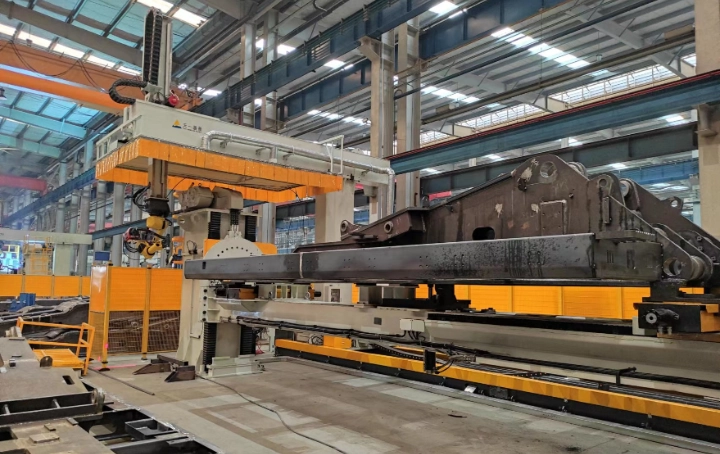
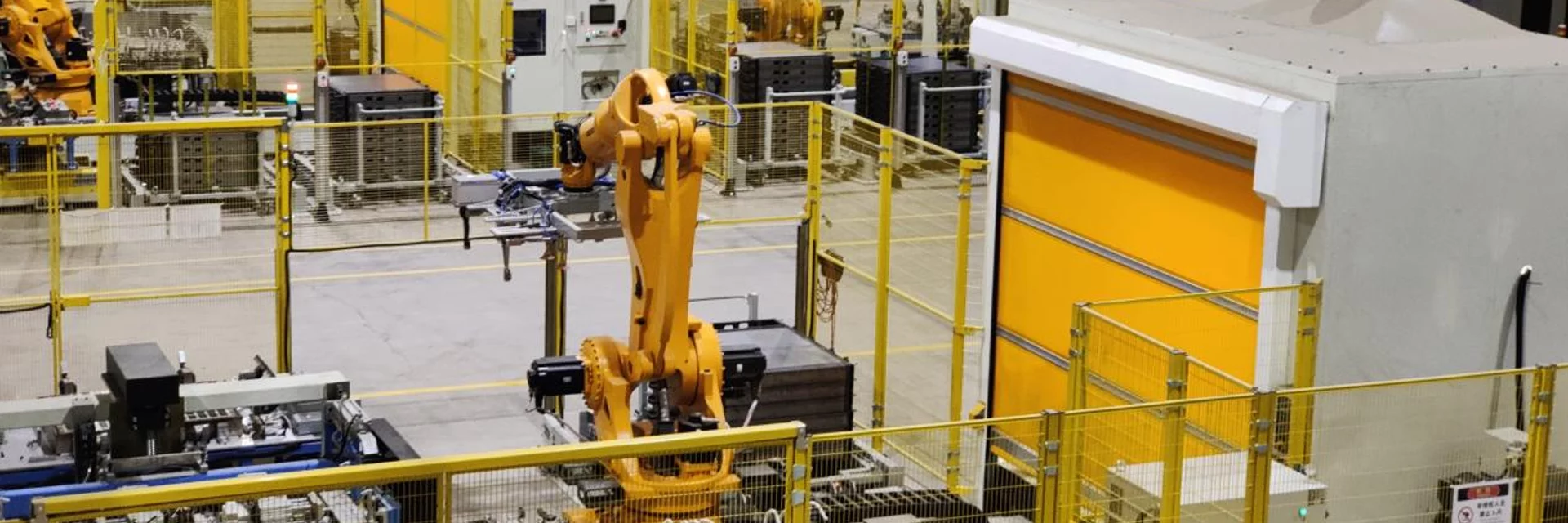
Overview of the Automated Welding Workstation on the Middle Platform of the Rotary Drilling Rig
Used for automated welding of the intermediate platform
-
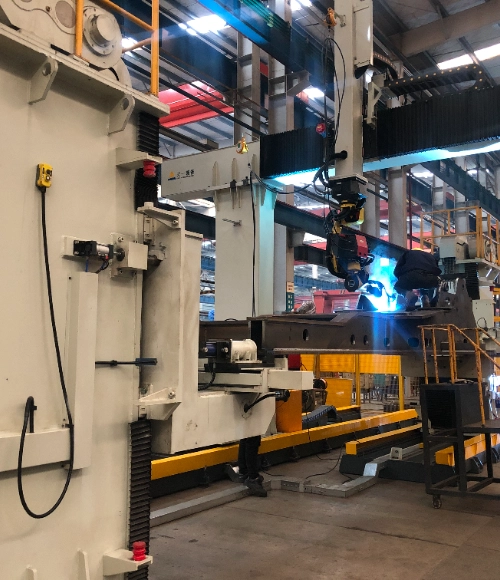 01
01Process advantages
This workstation adopts a mature robotic welding automation solution.
-
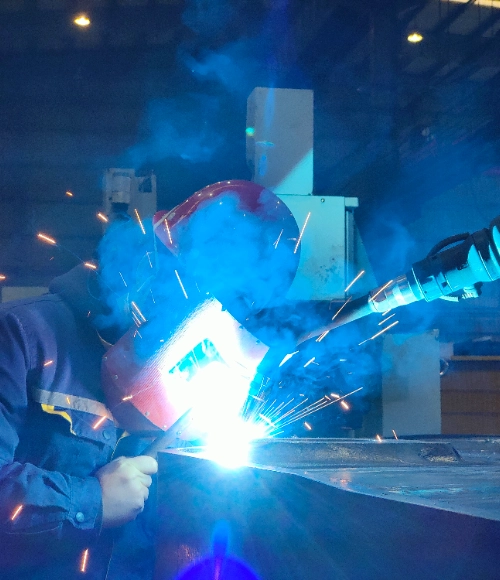 02
02Automatic Fixture
Taking into account both production stability and production cycle time
-
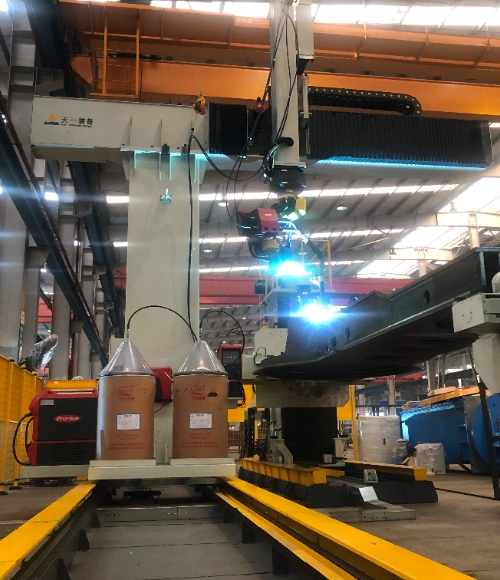 03
03Modular Design
Perfectly compatible with the heavy-load, fatigue-resistant and high-impact harsh construction conditions of rotary drilling rigs.
Overview of the Automated Welding Production Line for Power Boxes
This component is a closed thick plate box structure, mainly bearing the core components such as the reducer, main winch, and hydraulic power unit. It is subjected to long-term high-frequency vibration, torsional loads and impact loads.
-
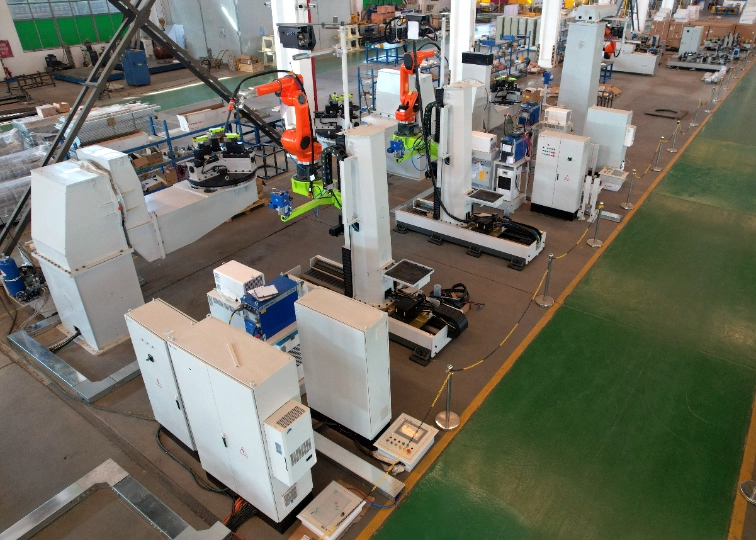
1. Integrated Assembly and Welding Fixture
The entire production line adopts a flexible assembly line layout, with each workstation working collaboratively in a coordinated manner, replacing the traditional single-machine, scattered welding mode and forming a closed-loop continuous production system.
-
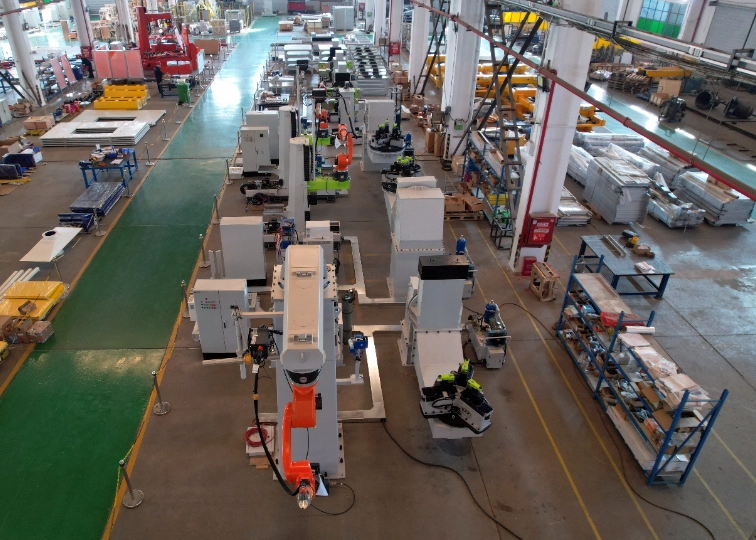
2. Improve production efficiency
The production cycle has been increased by more than 50%, enabling 24-hour continuous and stable mass production. The qualification rate of finished product flaw detection can reach over 99%.
-
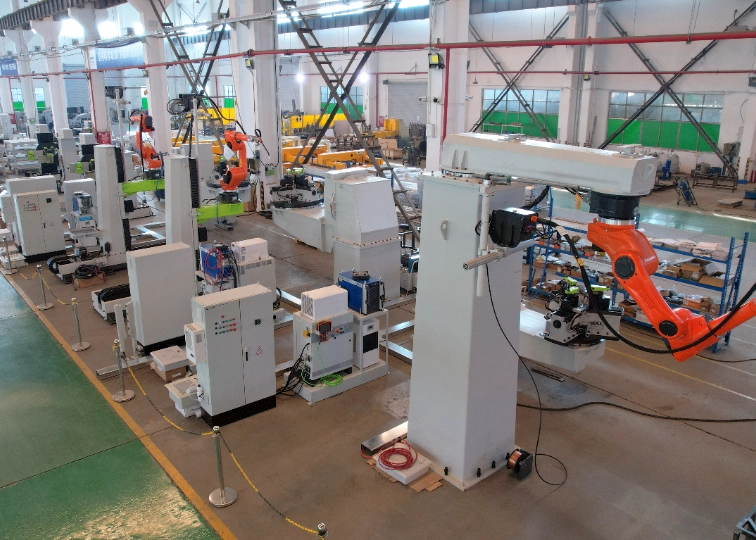
3. Flexible Design
It can automatically detect the errors of the workpiece group alignment, real-time correct the welding trajectory, and precisely control the penetration depth, weld width and weld formation.
-
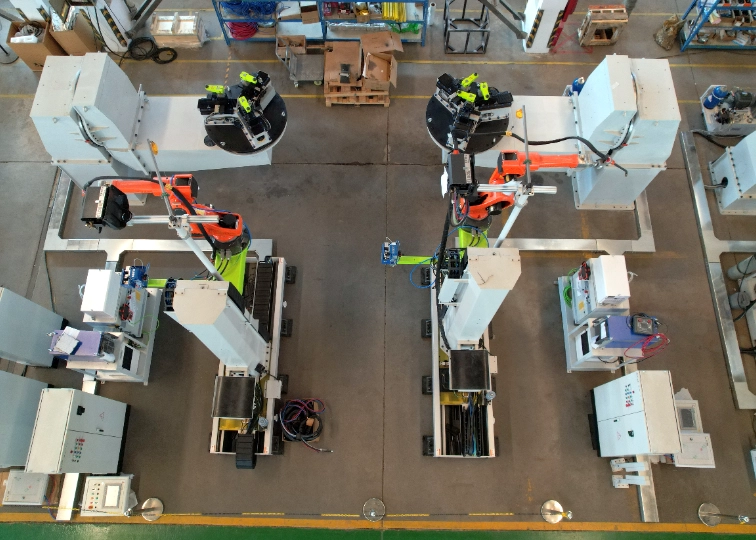
4. Lean Control of Welding Cycle Time
Process standardization, production intelligence, quality controllability, and capacity scalability are the core complete sets of equipment for rotary drilling rigs.
Overview of the Automated Welding Workstation for the Mast
It is the core guiding and supporting structure of the entire machine, and it is a box-type beam structure combining ultra-long, thin-walled and thick plates.
-
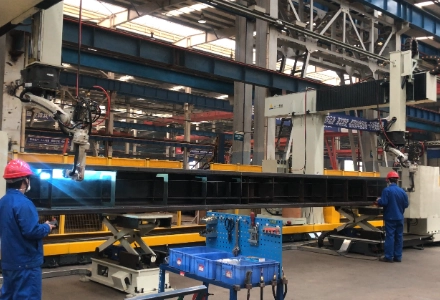
Core advantages of the process
Achieve fully automatic, high-precision, and low-deformation standardized welding for the primary and secondary welds of the drill mast.
-
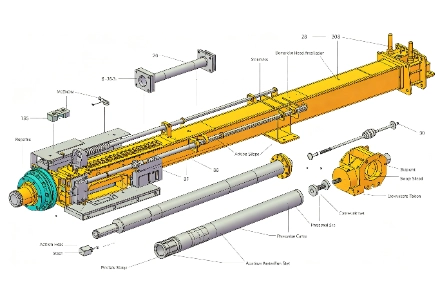
Robotic Welding Station
Achieve precise positioning of the bottom plate, web plate, cover plate, end hinge seat, and internal reinforcement ribs, as well as multi-point hydraulic rigid clamping
-
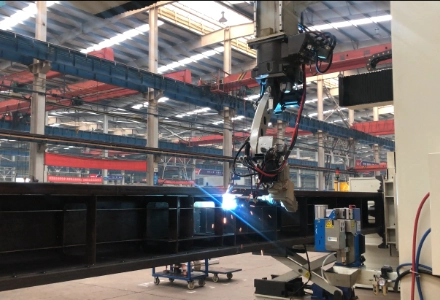
Improve production efficiency
Long weld seams, corner weld seams and lap weld seams are all adjusted to the optimal ship shape weld configuration.
-
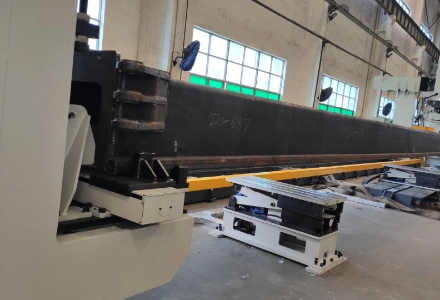
Flexible Platform Design
By means of rigid tooling constraints, symmetrical welding techniques, and real-time correction technology, the problem of welding deformation for the slender components of the mast has been comprehensively solved.
The Results We Have Achieved
Established in 1992, Tianyi welding has undergone over 30 years of vigorous development to become a comprehensive service provider spanning the entire welding industry chain, integrating the six key elements of welding quality management: Man, Machine, Material, Method, Environment, and Measurement.
-
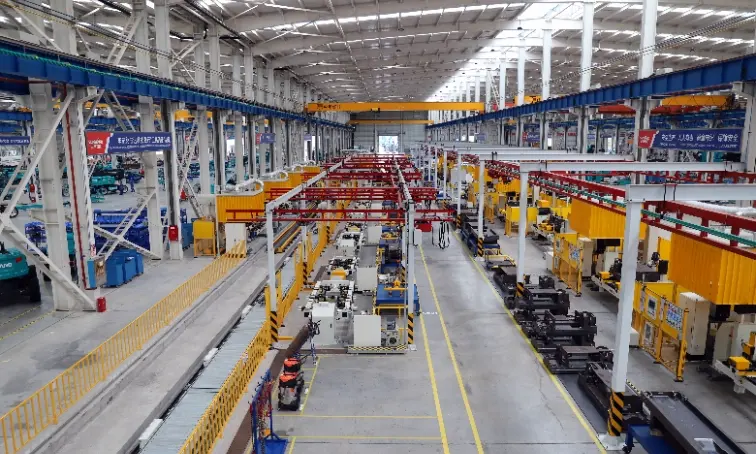
Automated welding production line for the fork and frame of the scissor-type aerial work platform
The automatic welding production line for fork rods and undercarriage frames of medium fork-arm aerial work platforms is the core manufacturing procedure for forming key structural parts of the whole vehicle. It mainly completes cutting...Learn More -
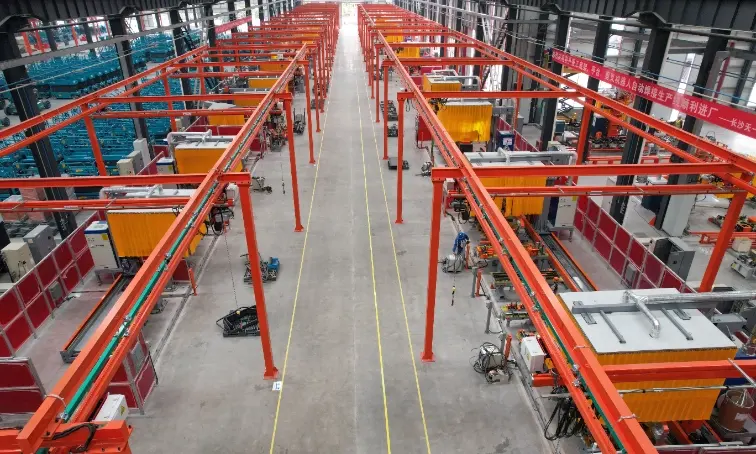
Automated welding production line for aerial work platforms
The welding production line for aerial work platforms (including scissor-type, straight-arm type, and curved-arm type) is the core manufacturing process for forming the entire machine's structural components. It mainly completes the pro...Learn More