


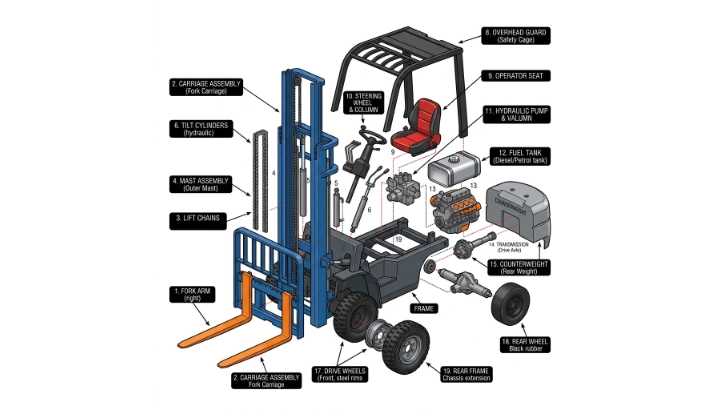
Industrial forklift truck
The industrial forklift welding production line focuses on processing core load-bearing structural components such as the forklift frame, mast, front and rear axle housings, counterweight frame, guard frame, and fork frame. It adopts a flexible production line model that mainly uses automated welding and supplemented by manual assistance. This is a crucial manufacturing process that determines the strength, stability, load-bearing safety, and service life of the entire forklift. The production line is adapted for welding of high-strength structural steel, balancing the efficiency of mass production with the consistency of welding quality.
-

Flexibility
Staff will make a production analysis of the customer’s future production needs and goals. Material flow analysis and planning define the optimal configuration and layout for your site.
-

Rhythmicization
Remote repair service enables instant visual connection to the machine despite its geographical location.
-

Intelligentization
Full range of spare and wear parts, including original spare parts, retrofit parts, and approved replacement OEM parts, all meeting the strictest quality criteria.
Overall Layout and Flow of the Production Line
The typical process flow is as follows
-
 01
01Raw Material Pretreatment
-
 02
02Part Cutting and Beveling
-
 03
03Alignment and Positioning
-
 04
04Robotic / Manual Welding
-
 05
05Post-Weld Slag Removal and Correction
-
 06
06Nondestructive Testing
-
 07
07Shot Blasting for Rust Removal
-
 08
08Proceed to Machining / Painting
Overview of the Automated Welding Production Line for Industrial Forklift Frames
The industrial forklift frame automated welding production line is a specialized and intelligent welding manufacturing system specifically designed for the core load-bearing component of industrial forklifts - the frame. The frame serves as the "chassis skeleton" of the forklift, bearing the overall weight, cargo load, as well as the impact and alternating loads during driving and operation. It is a key component that ensures the stability and reliability of the forklift's operation. This production line focuses on the automated assembly and welding of key parts such as the frame body, cross beams, longitudinal beams, connecting plates, and installation supports. It completely resolves the problems of low efficiency, uneven weld quality, and large deformation in traditional manual welding, achieving efficient, high-quality, and large-scale intelligent manufacturing of forklift frames.
|
The production line covers various specifications of chassis including internal combustion forklifts and electric forklifts, and is capable of meeting the production needs of forklifts ranging from 1 to 10 tons.
The production line adopts a streamlined layout. The equipment has a high degree of integration and strong automation. The core equipment consists of the following:•Automatic conveying and loading/unloading equipment: AGV trolleys, conveying rollers, and mechanical hands, enabling unmanned transfer and automatic loading/unloading of workpieces between various stations, thereby enhancing the production cycle.
• Welding core equipment: Multiple arc welding robots, heavy-duty welding positioners, combined with weld seam tracking system and gun cleaning and wire cutting device, to achieve all-round and seamless automated welding.
• Post-welding treatment and inspection equipment: weld grinding machine, correction equipment, online size inspection instrument, non-destructive testing equipment, to ensure that the quality of the welded components meets the standards after welding.
• Intelligent control system: MES production execution system, electrical control system, enabling real-time monitoring of welding parameters, production plan scheduling, and quality data traceability
|
|
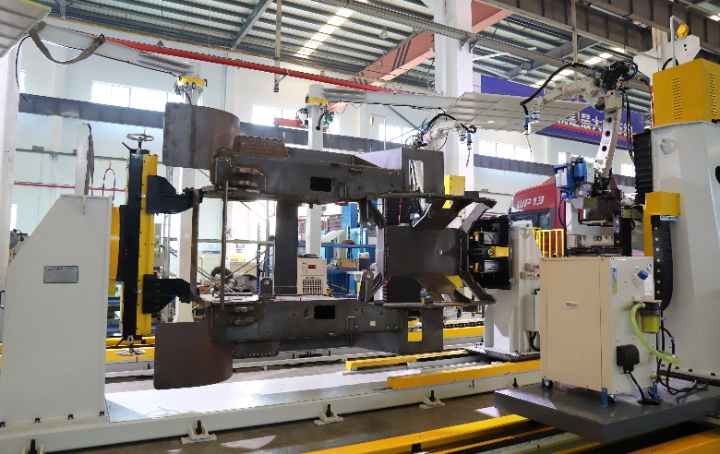
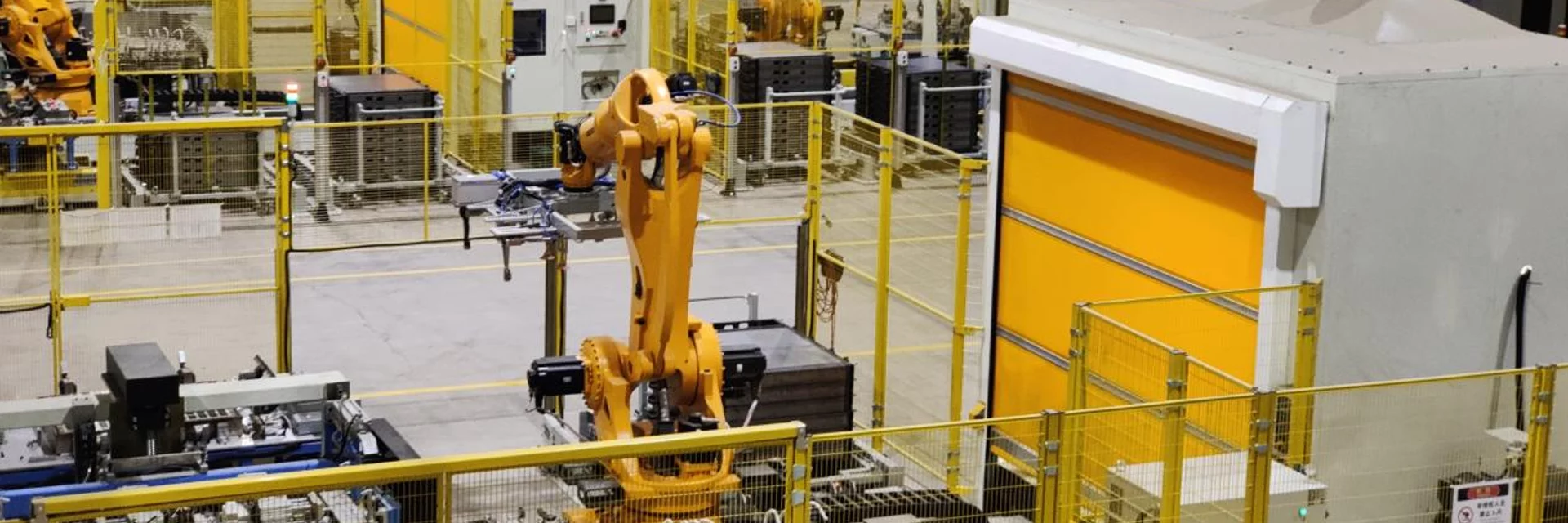
Overview of the Automated Welding Workstation for Forklift Sheets
Automated welding for forklift plates
-
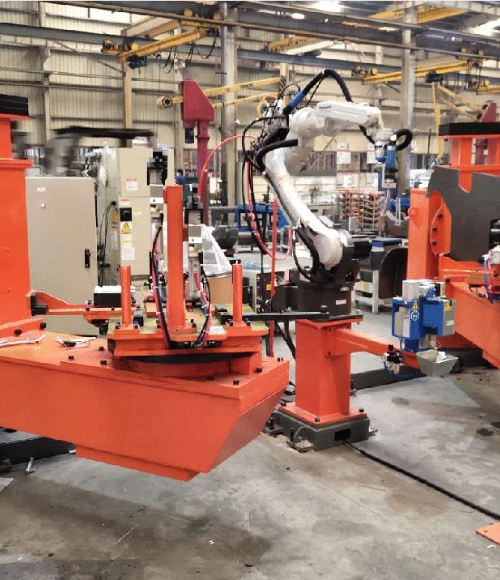 01
01Process advantages
By using a single-axis rotary positioning machine, all weld seams can be adjusted to the appropriate positions for welding.
-
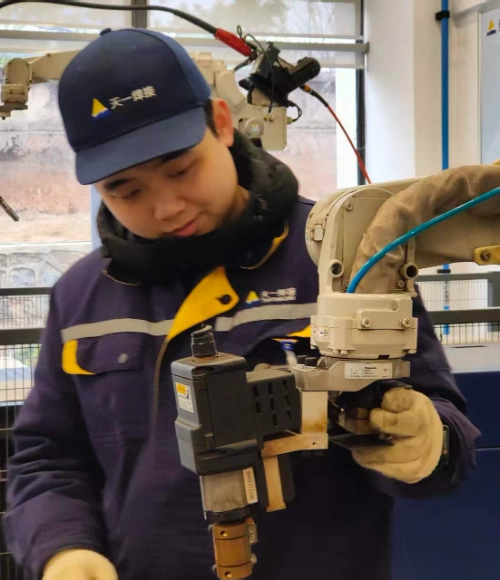 02
02Automatic Fixture
By using an automatic fixture, the workpiece can be clamped with just one click, significantly reducing the labor intensity of the operator.
-
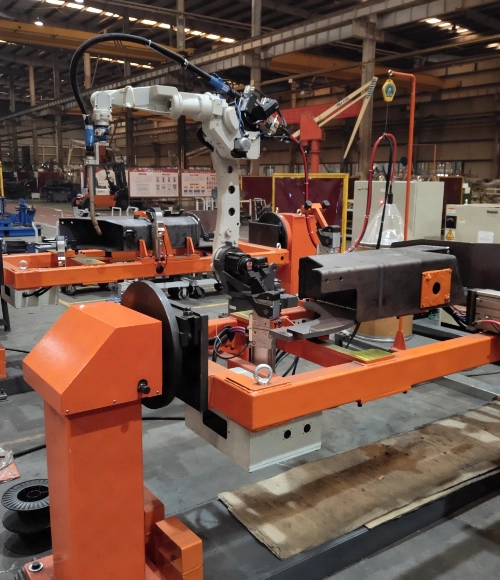 03
03Modular Design
With a flexible design, it can be compatible with various types of forklifts (including internal combustion and electric) for welding of workpieces of different models.
Overview of the Automated Welding Production Line for Inner and Outer Boom Components
This production line is dedicated to the automated assembly and welding of key components such as the inner and outer frame guide rails, cross beams, columns, connecting plates, roller seats, and guide grooves. It addresses the common problems of large deformation, low precision, poor efficiency, and insufficient weld consistency in traditional manual welding, enabling efficient, high-quality, and standardized batch production of the frame.
-
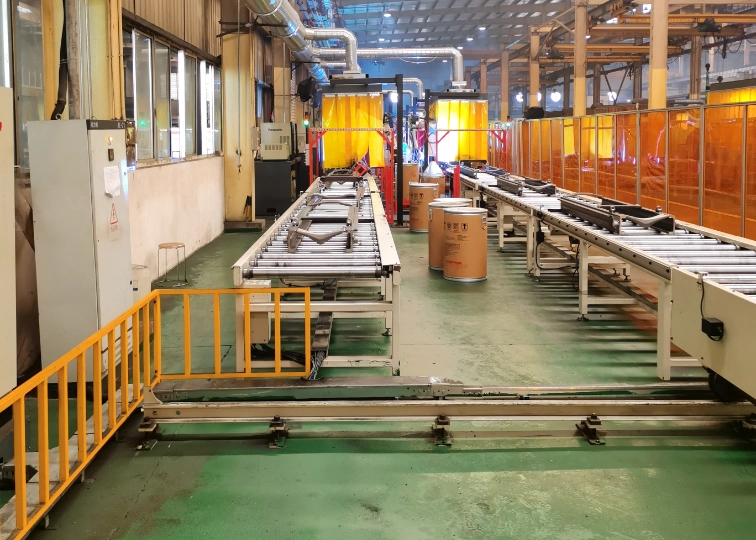
1. Integrated Assembly and Welding Fixture
Special tooling precisely controls the straightness of the guide rails and the parallelism of the guide grooves. The joint clearance is controlled within ≤1.5mm, effectively suppressing welding deformation.
-
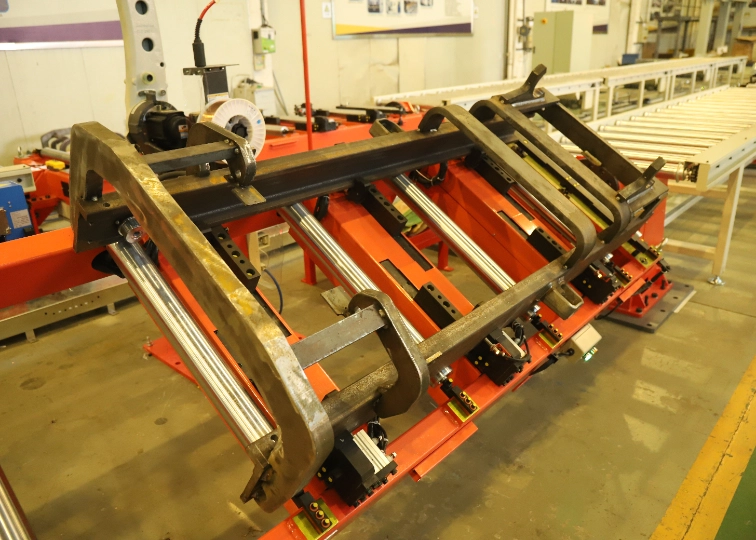
2. Improve production efficiency
Multiple robots work collaboratively, combined with the tool changer to achieve full-position welding (flat welding, corner welding, and vertical welding). The welding efficiency has increased by more than 70% compared to manual operation.
-
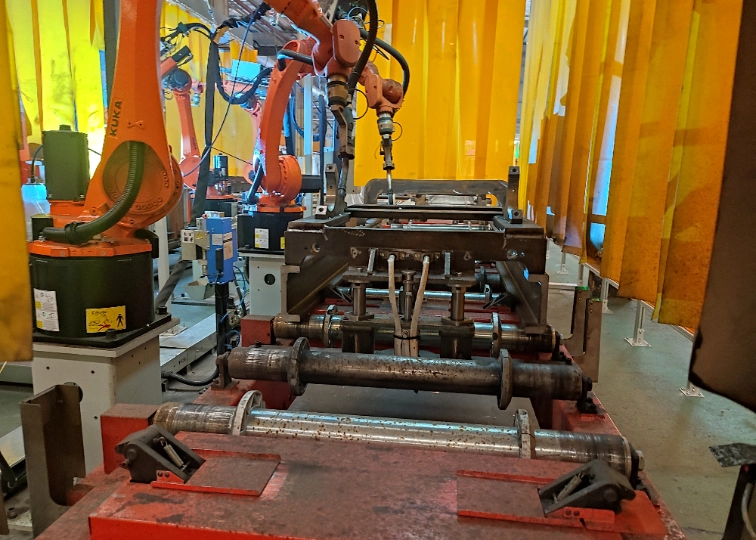
3. Flexible Design
By adopting a standardized multi-layer and multi-pass welding process, the welding parameters can be precisely controlled. The key weld seams have good penetration and regular formation, and the qualification rate of flaw detection can reach over 99.5%.
-
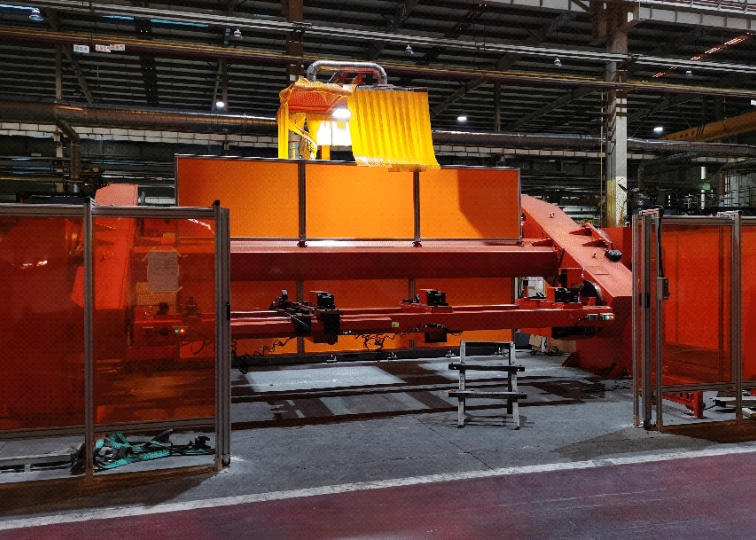
4. Lean Control of Welding Cycle Time
Equipped with a centralized dust purification system, it efficiently treats welding dust and improves the working environment.
Overview of the Automated Welding Workstation for Industrial Forklift Tiers
The tail frame (also known as the counterweight frame or tail support bracket) is the "core component for tail support" of a forklift.
-
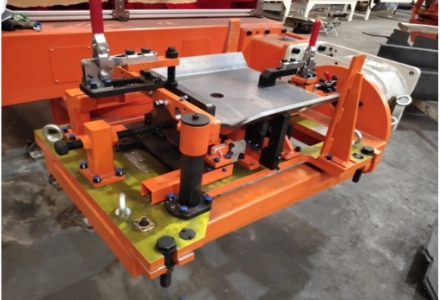
Core advantages of the process
Ensure structural strength by precisely performing welding to ensure that the welds of the tail frame are fully melted and have a regular shape, meeting the requirements for heavy load and impact resistance.
-
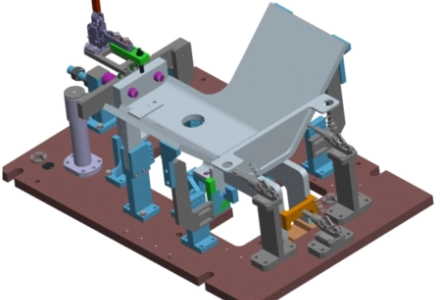
Robotic Welding Station
Precisely control the installation hole positions, flatness and verticality of the tail frame, ensuring the assembly accuracy with components such as the frame, counterweight blocks, and fuel tank.
-
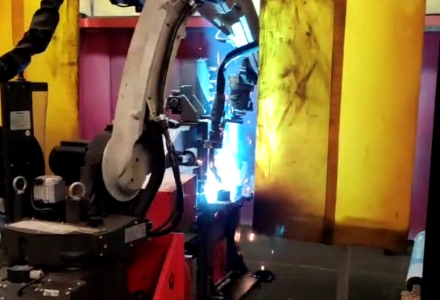
Improve production efficiency
The dedicated hydraulic tooling precisely locks the positions of each component. It focuses on controlling the accuracy, flatness and verticality of the tailstock installation holes, effectively suppressing welding deformation.
-
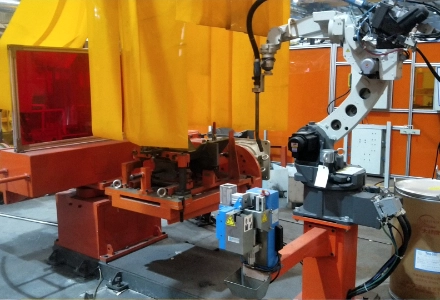
Flexible Platform Design
Conduct non-destructive testing on the key weld seams to identify and eliminate defects such as pores, cracks, and incomplete penetration, ensuring that the welding quality meets the standards.
The Results We Have Achieved
Established in 1992, Tianyi welding has undergone over 30 years of vigorous development to become a comprehensive service provider spanning the entire welding industry chain, integrating the six key elements of welding quality management: Man, Machine, Material, Method, Environment, and Measurement.
-
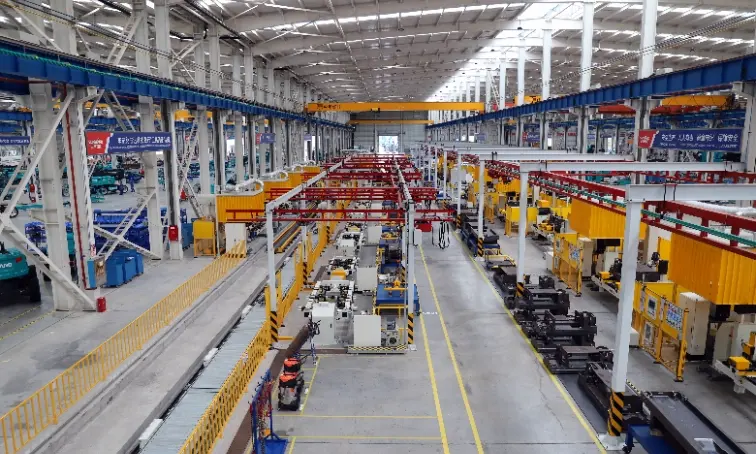
Automated welding production line for the fork and frame of the scissor-type aerial work platform
The automatic welding production line for fork rods and undercarriage frames of medium fork-arm aerial work platforms is the core manufacturing procedure for forming key structural parts of the whole vehicle. It mainly completes cutting...Learn More -
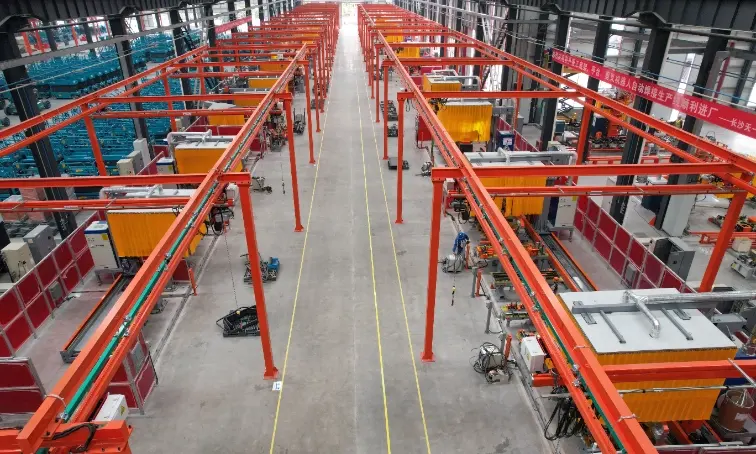
Automated welding production line for aerial work platforms
The welding production line for aerial work platforms (including scissor-type, straight-arm type, and curved-arm type) is the core manufacturing process for forming the entire machine's structural components. It mainly completes the pro...Learn More