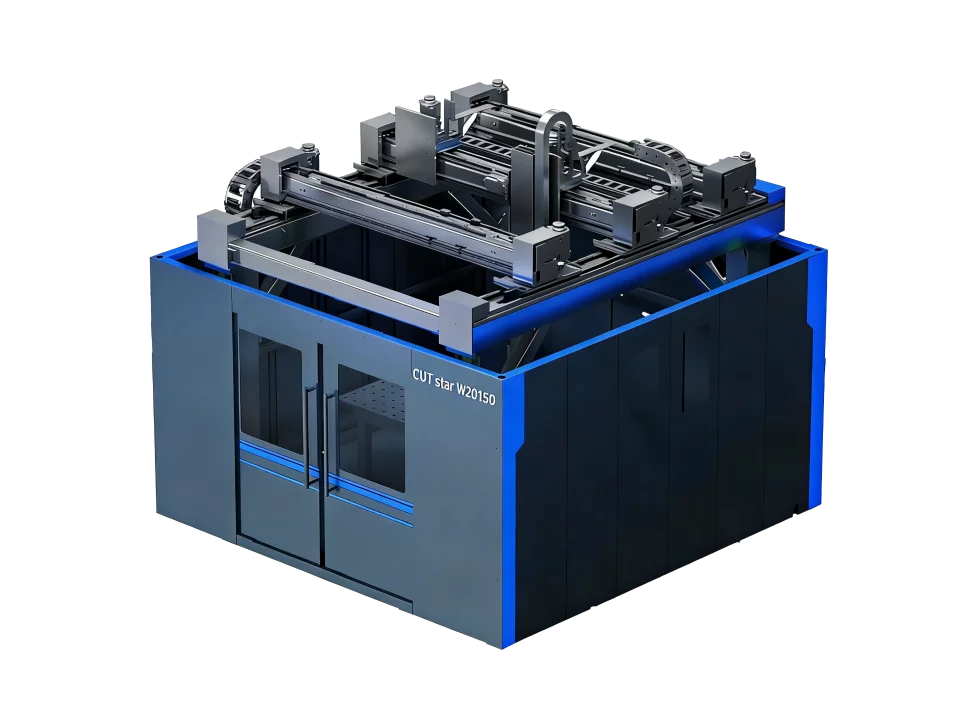



Aerial work platform
The company has developed a range of related technologies, including teach-free automatic positioning and welding systems, multi-layer multi-pass welding systems, automatic cutting systems, and omnidirectional welding positioning systems. Furthermore, by optimizing existing client production processes and integrating the automatic positioning and welding systems, the company has successfully achieved automated welding operations.
-

Flexibility
Staff will make a production analysis of the customer’s future production needs and goals. Material flow analysis and planning define the optimal configuration and layout for your site.
-

Rhythmicization
Remote repair service enables instant visual connection to the machine despite its geographical location.
-

Intelligentization
Full range of spare and wear parts, including original spare parts, retrofit parts, and approved replacement OEM parts, all meeting the strictest quality criteria.
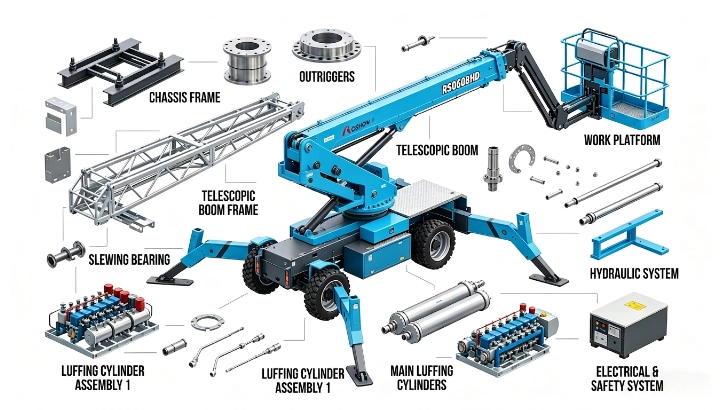
Overall Layout and Flow of the Production Line
The typical process flow is as follows
-
 01
01Raw Material Pretreatment
-
 02
02Part Cutting and Beveling
-
 03
03Alignment and Positioning
-
 04
04Robotic / Manual Welding
-
 05
05Post-Weld Slag Removal and Correction
-
 06
06Nondestructive Testing
-
 07
07Shot Blasting for Rust Removal
-
 08
08Proceed to Machining / Painting
Scissor Arm Assembly Overview
The scissor arms of a scissor-type aerial work platform constitute the core load-bearing and lifting component of the entire machine; they are typically fabricated by welding high-strength steel plates. The dedicated welding production line for these arms represents a critical process for ensuring structural strength, rigidity, fatigue life, and product consistency. Centered on principles of automation, flexibility, and lean manufacturing, the entire production line is designed to accommodate the requirements of diverse-product, small-batch runs as well as large-scale mass production.
|
Process Flow: A single scissor assembly consists of inner forks, outer forks, single forks, and other components.
The production process for scissor-type welding is as follows:• Plate Fitting and Assembly Welding
• Robotic Plate Welding
• Robotic Scissor-Arm Welding
• Scissor-Arm Touch-up Welding and Grinding.
|
|
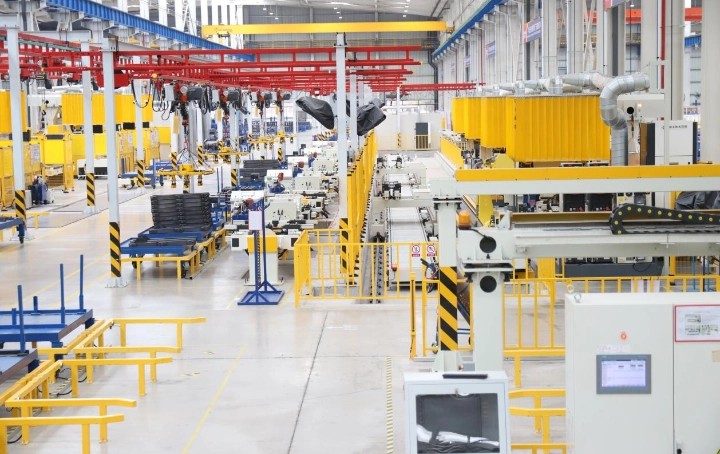
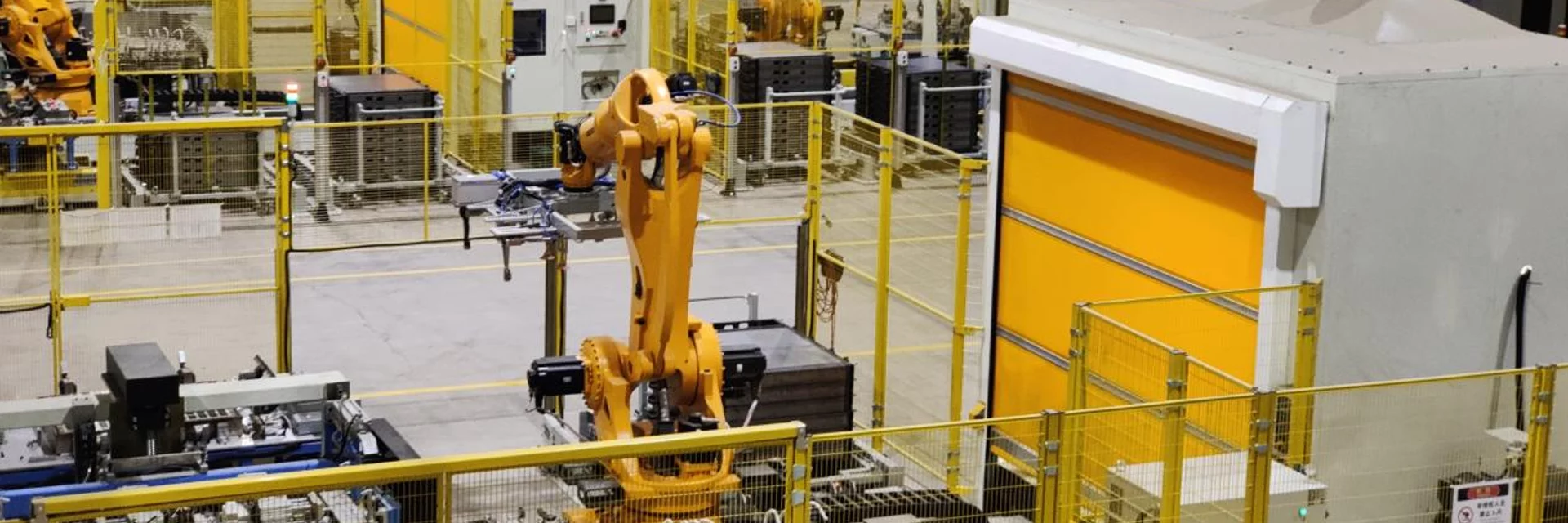
Overview of Lifting Platforms
Application: Used for the automated welding of scissor-type lift platforms.
-
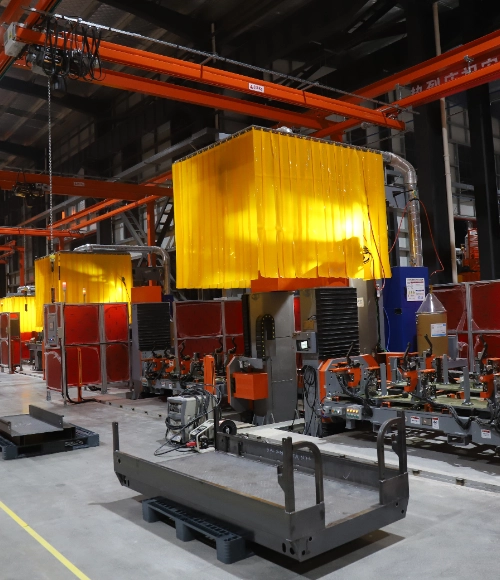 01
01Dual-Station Configuration
The fixture utilizes an automatic design—specifically, a pneumatically and electrically controlled system—to reduce the operator's physical workload.
-
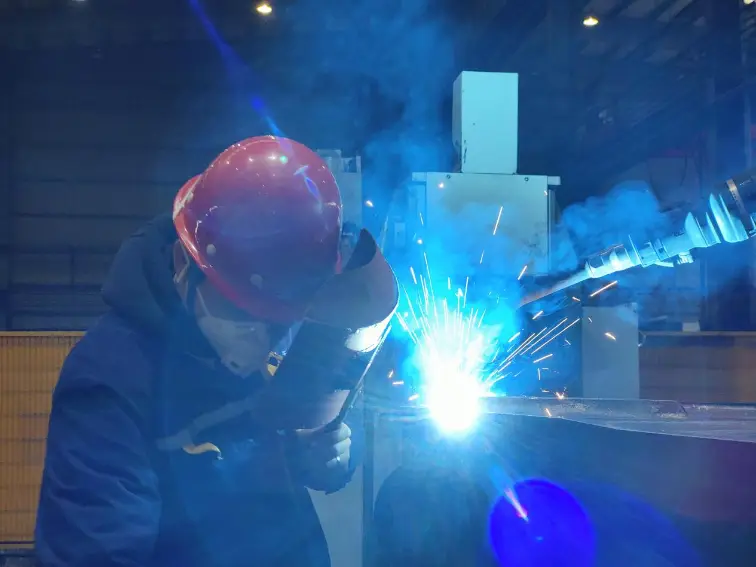 02
02Automatic Fixture
The fixture utilizes an automatic design—specifically, a pneumatically and electrically controlled system—to reduce the operator's physical workload.
-
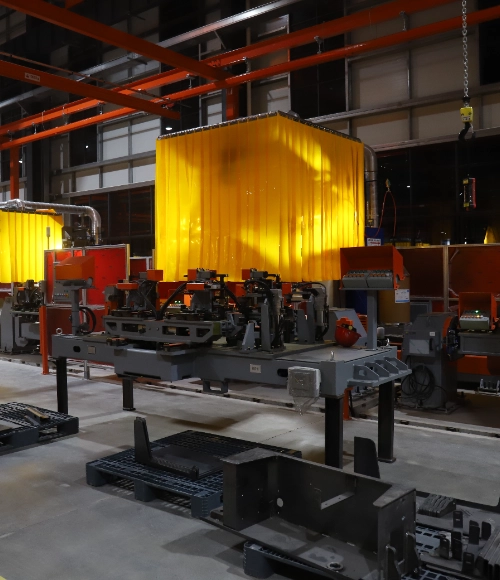 03
03Modular Design
The fixture utilizes an automatic design—specifically, a pneumatically and electrically controlled system—to reduce the operator's physical workload.
Platform Guardrail Overview
The rail transit industry serves as a core pillar in the nation's strategic initiative to build a transportation powerhouse. Critical welded components—such as high-speed train car floorboards—are directly linked to operational safety; consequently, they demand exceptionally high standards regarding welding precision, strength, and stability.
-
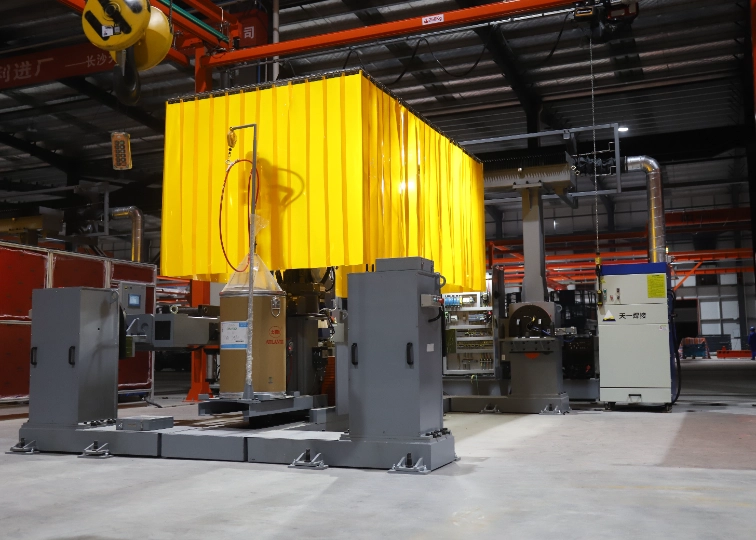
1. Integrated Assembly and Welding Fixture
Manual assembly of loose components (manual placement followed by robotic tack welding) to enhance production efficiency.
-
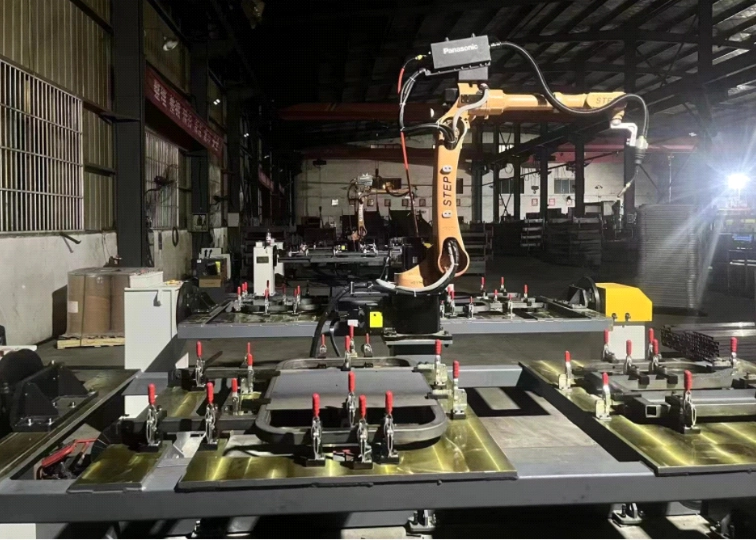
2. Improve production efficiency
Manual assembly of loose components (manual placement followed by robotic tack welding) to enhance production efficiency.
-
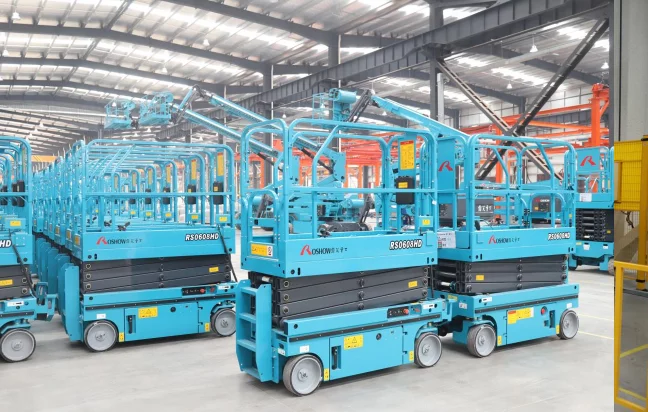
3. Flexible Design
Manual assembly of loose components (manual placement followed by robotic tack welding) to enhance production efficiency.
-
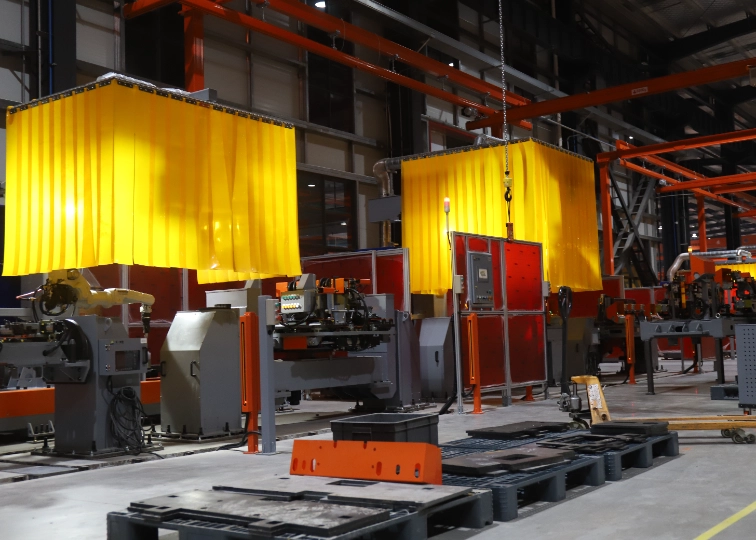
4. Lean Control of Welding Cycle Time
Manual assembly of loose components (manual placement followed by robotic tack welding) to enhance production efficiency.
Platform Ladder Overview
Used for small-scale automated welding applications, such as on ladders for aerial work platforms.
-
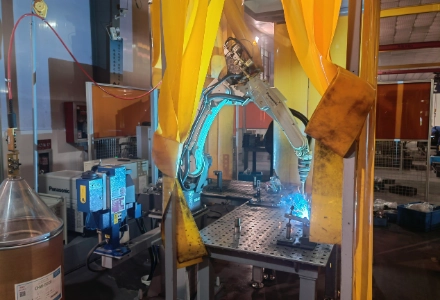
Single Robot, Dual Stations
The workstation employs a single-robot, dual-station configuration, utilizing integrated assembly and welding fixtures.
-
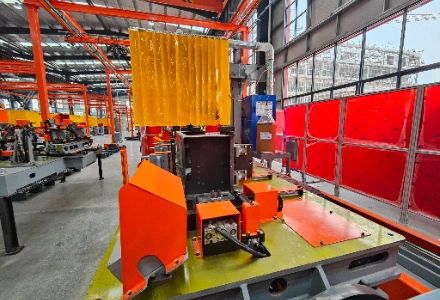
Robotic Welding Station
Single-Station Manual Component Assembly (Manual Part Placement, Robotic Spot Welding)
-
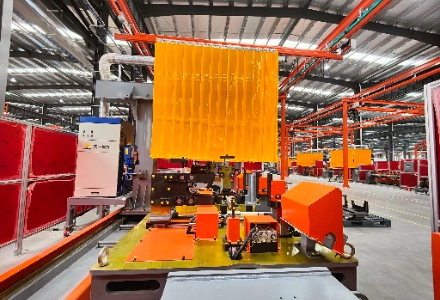
Improve production efficiency
Alternating manual assembly of loose components at a single workstation to enhance production efficiency.
-
Flexible Platform Design
The welding fixture features a flexible platform design, enabling compatibility with various machine models for the welding workpieces.
The Results We Have Achieved
Established in 1992, Tianyi welding has undergone over 30 years of vigorous development to become a comprehensive service provider spanning the entire welding industry chain, integrating the six key elements of welding quality management: Man, Machine, Material, Method, Environment, and Measurement.
-
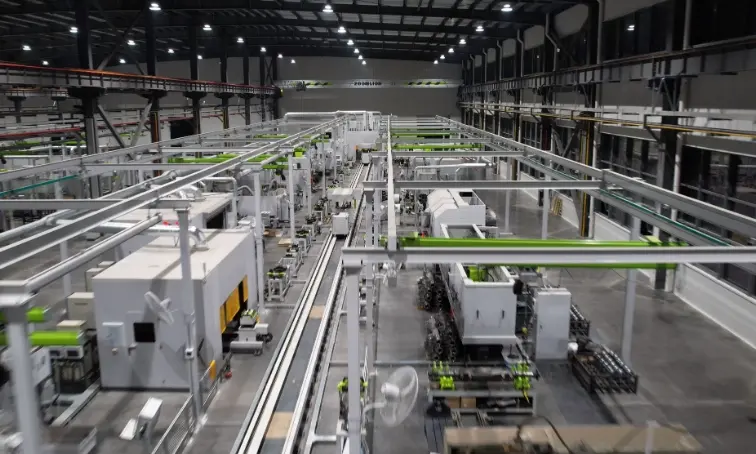
Medium-tonnage Drive Axle Automatic Welding Production Line
The automatic welding production line for medium-tonnage drive axles serves as the core manufacturing procedure for forming key axle structural assemblies. It mainly undertakes cutting, assembling, welding, shaping and testing processes...Learn More -
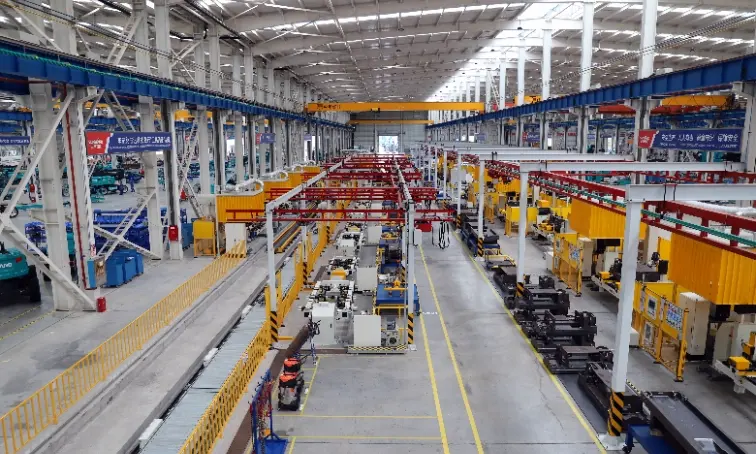
Automated welding production line for the fork and frame of the scissor-type aerial work platform
The automatic welding production line for fork rods and undercarriage frames of medium fork-arm aerial work platforms is the core manufacturing procedure for forming key structural parts of the whole vehicle. It mainly completes cutting...Learn More -
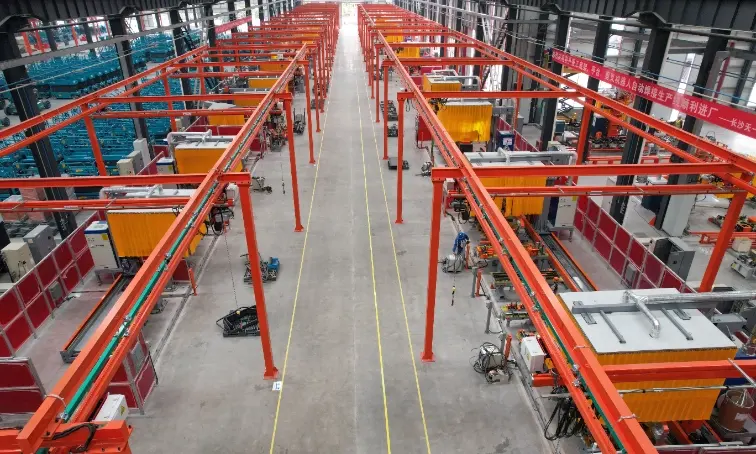
Automated welding production line for aerial work platforms
The welding production line for aerial work platforms (including scissor-type, straight-arm type, and curved-arm type) is the core manufacturing process for forming the entire machine's structural components. It mainly completes the pro...Learn More